Serwis wymaga plików cookies do prawidłowego działania strony. Korzystanie z serwisu bez zmiany ustawień dla plików cookies oznacza, że będą one zapisywane w pamięci urządzenia. Ustawienia te można zmieniać w przeglądarce internetowej.
The best Polish website dedicated to the Greek island Crete and to a small extent of continental Greece. You will find useful information related to visiting Crete that goes beyond the offer of optional tours. On the website you will also find descriptions of the most interesting places that we visited by visiting this largest Greek island. The content complements the current news, photographs and recipes of Greek cuisine.
Just a few months ago, the specter of disaster loomed over eastern Crete. Drought, empty reservoirs, and drastic water supply cuts to the island's largest cities were commonplace. Today, thanks to favorable weather, the situation has changed dramatically. The Aposelemis Dam is slowly recovering its reservoirs, allowing local authorities to take a deep breath and... reconsider their costly plans.
Water level in the Aposelemis Dam in October 2023
It's hard to believe, considering current indicators, but the Heraklion, Hersonissos, and Agios Nikolaos areas were "up against the wall" just in 2024 and 2025. Several years of drought, a lack of winter snowfall in the mountains, and poor infrastructure efficiency led to water supplies from the Aposelemis Dam being reduced by 40%, and at times even 50%. Residents of several Heraklion districts struggled for weeks with dry taps, and mayors called for a state of emergency.
The end of the “water nightmare”?
The latest data from March 31, 2026, brings a much-anticipated breakthrough. Water continues to flow into the Aposelemis reservoir, with the level now approaching 10 million cubic meters. Considering the dam's maximum capacity is 30 million cubic meters, the current fill level (over 30%) still seems modest, but compared to the dramatic 640,000 cubic meters recorded in January of this year, the current figure is a huge relief.
Experts estimate that if the water level reaches 12 million cubic meters, the dam will be able to provide stable irrigation for Heraklion and surrounding municipalities for at least two, and possibly even three, years. This was enough for the Heraklion Municipality to withdraw its request to declare a state of emergency. Although this procedure was never formally finalized, the mere fact that it was abandoned demonstrates that the immediate threat of a water shortage during the coming summer has been averted.
Changing priorities: Desalination is on the back burner
The rapid increase in water levels in the dam forced city authorities and the Municipal Water Company (DHAO) (the municipal company that supplies water to Heraklion and the surrounding area) to reconsider their rescue strategy. The previous plan called for the construction of two desalination plants with a capacity of 4,000 m³ per day. This project, estimated at around €5 million, was to be financed urgently by the Ministry of the Environment.
Now, however, when free "water from heaven" has filled the reservoir, the chances of ministerial funding for the desalination plant have dropped to almost zero – without a state of emergency, the procedures would have become too time-consuming and expensive.
Although some experts still advocate for the construction of a desalination plant as a strategic safeguard for Heraklion in the event of further droughts, the city authorities and the DHEHAH are leaning toward reallocating funds to modernizing the transmission network. Priority will be given to replacing the Tylisos and Malia pipelines. The latter project, implemented in parallel with the construction of the new VOAK highway, appears to be a rational, if less spectacular, solution to the problem of losses in the transmission of valuable resources.
A lesson from the past
It's worth remembering, however, that the current improvement may be treacherous. The Aposelemis Dam's history is a sinusoidal one. In 2024, experts clearly indicated that the problem was structural, stemming not only from weather conditions but also from years of infrastructure neglect and numerous technical failures. At that time, shortages were so severe that vegetable producers in the regions of Ierapetra and Tympaki had to suspend summer crops, necessitating the import of vegetables to Crete.
The current 10 million cubic meters in the reservoir is undoubtedly a natural success, buying Crete precious time. We can only hope that the authorities will use these two years of peace to actually repair the network and seal the system, rather than just tout success. As experience from recent years has taught us, in Crete, the path from the announcement "we have water" to "we're turning off the taps" can be exceptionally short.
Z roku na rok coraz dłuższe okresy suszy i coraz gorętsze. Zaczynają się coraz wcześniej i coraz dłużej trwają. Bez większej ilości zbiorników retencyjnych kryzys niedoboru na Krecie będzie się niestety pogłębiał. Aposelemis, jezioro Bramiana i Kurna to za mało niestety. Styczniowy kryzys zaopatrzenia w wodę z zapory dość dobrze to unaocznił
1
CRETE - Kreta
2026-03-31 19:01:44
komentarz z
Andrzej Lenart oczywiście. Teraz los dopisał, mają dwa lata na wdrożenie sensownego planu. Ale jak spoczną na laurach to problem szybko powróci.
1
Wypełnij poniższy formularz aby dodać komentarz
lub kliknij w poniższy link aby skorzystać z możliwosci komentowania przez facebooka: https://www.facebook.com/crete.poland/posts/1358739052967022
gość dodekanezowiec Z pewnością Hiszpania ma większy problem z turystyką - vide: Majorka czy Benidorm (hotele na 50 pięter).
Z drugiej strony - włoska Kalabria się zachowuje tak jak gdyby nie chcieli turystów. Tam jest cisza i spokój, hotele na wygwizdowiu, poza Tropeą i paroma miasteczkami nudy totalne. Na Sycylii niewiele lepiej - jakie tam są miejscowości dla turystów, gdzie nie będzie się on nudził? Też na palcach ręki by policzyć. (...)
gość PiotrWie Jeździliśmy na Kretę od 2008r, bywały lata że byliśmy w kilku kawałkach w sumie czterdzieści kilka dni ( samoloty z Wrocławia latały w piątek wieczorem tak że można było polecieć po pracy, powrotem był w poniedziałek w nocy więc za 11 dni urlopu można było być 17 dni, jak się zaplanowało z jakimś świętem to można było być 2 x 17 dni i raz 10 dni) i z roku na rok było coraz więcej ludzi - nie tylko na plażach ale ... (...)
Czy wyspa jest w stanie pomieścić 15 mln turystów, zapewne tak. Pytanie moje: skąd będzie woda?! Jak już brakuje, tama na Aposelemis sucha, gdzie ścieki popłyną, gdzie będą składowane śmieci??? Smutne, że wyspa zamienia się na globalną destynację.. rozumiem, że pieniądze są ważne ale żeby dewastować naturalne tereny np.triopetra, plakias etc... przykro
Można próbować zrozumieć ludzi, którzy z tego żyją. Można też puścić ludzi na żywioł i nie zajmować się takimi głupotami, jak ofiary śmiertelne. Samaria nie jest szlakiem w 100% bezpiecznym (który szlak jest), to głęboki wąwóz, narażony na erozyjne osunięcia skał. Poza ty, to jest region aktywny sejsmicznie i dość kapryśny pogodowo.
Myślę, że tu nie ma miejsca na ustępstwa. (...)




 2026-03-31 19:42:15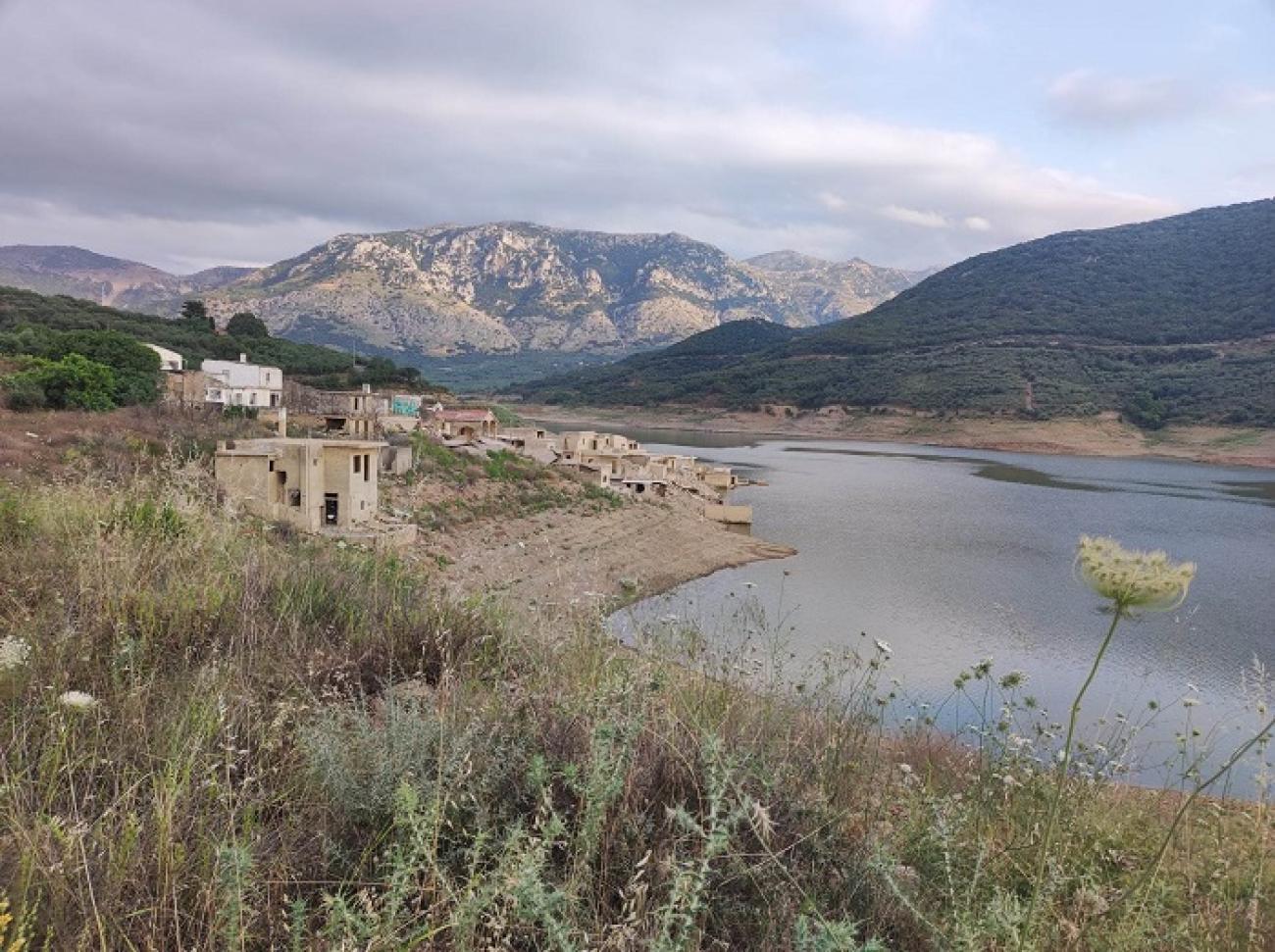

Komentarze
komentarz z
Z roku na rok coraz dłuższe okresy suszy i coraz gorętsze. Zaczynają się coraz wcześniej i coraz dłużej trwają. Bez większej ilości zbiorników retencyjnych kryzys niedoboru na Krecie będzie się niestety pogłębiał. Aposelemis, jezioro Bramiana i Kurna to za mało niestety. Styczniowy kryzys zaopatrzenia w wodę z zapory dość dobrze to unaocznił
komentarz z
Andrzej Lenart oczywiście. Teraz los dopisał, mają dwa lata na wdrożenie sensownego planu. Ale jak spoczną na laurach to problem szybko powróci.
Wypełnij poniższy formularz aby dodać komentarz
lub kliknij w poniższy link aby skorzystać z możliwosci komentowania przez facebooka:
https://www.facebook.com/crete.poland/posts/1358739052967022