Serwis wymaga plików cookies do prawidłowego działania strony. Korzystanie z serwisu bez zmiany ustawień dla plików cookies oznacza, że będą one zapisywane w pamięci urządzenia. Ustawienia te można zmieniać w przeglądarce internetowej.
The best Polish website dedicated to the Greek island Crete and to a small extent of continental Greece. You will find useful information related to visiting Crete that goes beyond the offer of optional tours. On the website you will also find descriptions of the most interesting places that we visited by visiting this largest Greek island. The content complements the current news, photographs and recipes of Greek cuisine.
Crete's freshwater crisis continues to worsen. Recent hydrological data clearly show a dramatic decline in rainfall over the past five years. In many regions of the island, rainfall has fallen by as much as 50% compared to 2018–2021. This rainfall deficit is striking not only compared to the past decade but also compared to year-on-year statistics.
For example, the Lassithi plateau recorded only 233 mm of rain last year (compared to 377 mm the previous year), while in so-called "good years," the norm was around 720 mm. The situation is even worse in mountainous Anogia (Rethymno prefecture), where only 204 mm of rainfall was recorded, compared to 391 mm the previous year. At the higher measuring station above Anogia, 296 mm of rain was recorded – almost five times less than in rainy years, when total rainfall exceeded 1,400 mm.
The current hydrological situation is the result of a disastrous accumulation of natural factors and years of infrastructural neglect. The island's current vulnerability to the predictable drought cycle is a direct consequence of the authorities' lack of foresight, which squandered years of hydrological prosperity. Instead of implementing key investments at a time when resources comfortably met the needs of residents and tourists, they opted for inaction, a consequence of which is now coming at a high cost. The situation is worsening year by year. Water supplies are dwindling dramatically, while growing tourist traffic and extreme temperatures are generating record-breaking demand, which the dried-up sources can no longer meet.
However, this isn't the only problem related to water shortages. The long growing season and multiple harvests throughout the year have previously made Crete self-sufficient in food production. Currently, significant water shortages, especially in the eastern part of the island, have forced farmers to abandon some of their summer crops. As a result, for the first time, importing vegetables from outside the island on such a large scale has become necessary.
Aposelemis Dam – a symbol of the crisis
The most striking example of supply problems is the situation at the Aposelemis Dam. This investment was intended to guarantee stability for eastern Crete, but due to the deepening drought, the reservoir's resources are depleting. Currently, it holds a mere 640,000 m³ of water. The scale of the disaster is illustrated by the fact that in the entire past year, only 30,000 m³ of water flowed into the reservoir – an amount that covers the normal demand for just three days. To illustrate the seriousness of the situation, we recall that in January 2025, the Aposelemis reservoir held 2,300,000 m³ of water…
Dwindling reserves have forced restrictions on the reservoir's use. Strict reductions have been implemented in the municipalities drawing water from Aposelemi—Heraklion, Hersonissos, and Agios Nikolaos. In Heraklion, flows fell from 300 m³/h to just 180 m³/h (a 40% drop), while in Hersonissos, supplies were cut by almost half.
The situation was exacerbated by serious technical failures at the dam itself, which, coupled with the lack of alternative sources, led to a water shortage in districts such as Karteros and Nea Alikarnassos. If there are no significant water flows from the Lassithi plateau by March, the Aposelemis reservoir will be completely depleted.
What's next?
Local authorities are taking frantic steps to avoid a disaster before the peak tourist season. Specialized groundwater level studies are being conducted, and network managers are receiving strict guidelines for pressure management. Plans include harnessing the waters of the Almyros River and building a new dam on the Giofyros River, although these projects require time, which the island simply doesn't have.
Appeals have been made to residents and tourists to drastically reduce water waste. In the current situation, all that can be hoped for is an exceptionally wet end to winter and heavy snowfall in the Dikti and Psiloritis mountains – only this could temporarily stave off the prospect of a complete water shortage.
Jak odwiedzacie hotele na Krecie, czytajcie przy basenach info...zużywajcie w prysznicu tyle wody aby nie lała się kiedy sobie szamponujecie głowe...no i inne...Bo nam lokalsom w sezonie wyłaczają wodę na dzień lub dwa ...aby oszczędzić dla gości...
4
2026-01-10 21:26:41
komentarz z
A jednocześnie tysiące litrów wody marnuje się każdego dnia wyciekając z pękających starych gumowych węży. Infrastruktura w dramatycznym stanie, brak reakcji gminy na informacje mieszkańców o przeciekach. Marnotrawstwo na wielką skalę
1
Wypełnij poniższy formularz aby dodać komentarz
lub kliknij w poniższy link aby skorzystać z możliwosci komentowania przez facebooka: https://www.facebook.com/crete.poland/posts/1290187803155481
gość dodekanezowiec Z pewnością Hiszpania ma większy problem z turystyką - vide: Majorka czy Benidorm (hotele na 50 pięter).
Z drugiej strony - włoska Kalabria się zachowuje tak jak gdyby nie chcieli turystów. Tam jest cisza i spokój, hotele na wygwizdowiu, poza Tropeą i paroma miasteczkami nudy totalne. Na Sycylii niewiele lepiej - jakie tam są miejscowości dla turystów, gdzie nie będzie się on nudził? Też na palcach ręki by policzyć. (...)
gość PiotrWie Jeździliśmy na Kretę od 2008r, bywały lata że byliśmy w kilku kawałkach w sumie czterdzieści kilka dni ( samoloty z Wrocławia latały w piątek wieczorem tak że można było polecieć po pracy, powrotem był w poniedziałek w nocy więc za 11 dni urlopu można było być 17 dni, jak się zaplanowało z jakimś świętem to można było być 2 x 17 dni i raz 10 dni) i z roku na rok było coraz więcej ludzi - nie tylko na plażach ale ... (...)
Czy wyspa jest w stanie pomieścić 15 mln turystów, zapewne tak. Pytanie moje: skąd będzie woda?! Jak już brakuje, tama na Aposelemis sucha, gdzie ścieki popłyną, gdzie będą składowane śmieci??? Smutne, że wyspa zamienia się na globalną destynację.. rozumiem, że pieniądze są ważne ale żeby dewastować naturalne tereny np.triopetra, plakias etc... przykro
Można próbować zrozumieć ludzi, którzy z tego żyją. Można też puścić ludzi na żywioł i nie zajmować się takimi głupotami, jak ofiary śmiertelne. Samaria nie jest szlakiem w 100% bezpiecznym (który szlak jest), to głęboki wąwóz, narażony na erozyjne osunięcia skał. Poza ty, to jest region aktywny sejsmicznie i dość kapryśny pogodowo.
Myślę, że tu nie ma miejsca na ustępstwa. (...)



 2026-01-08 19:28:04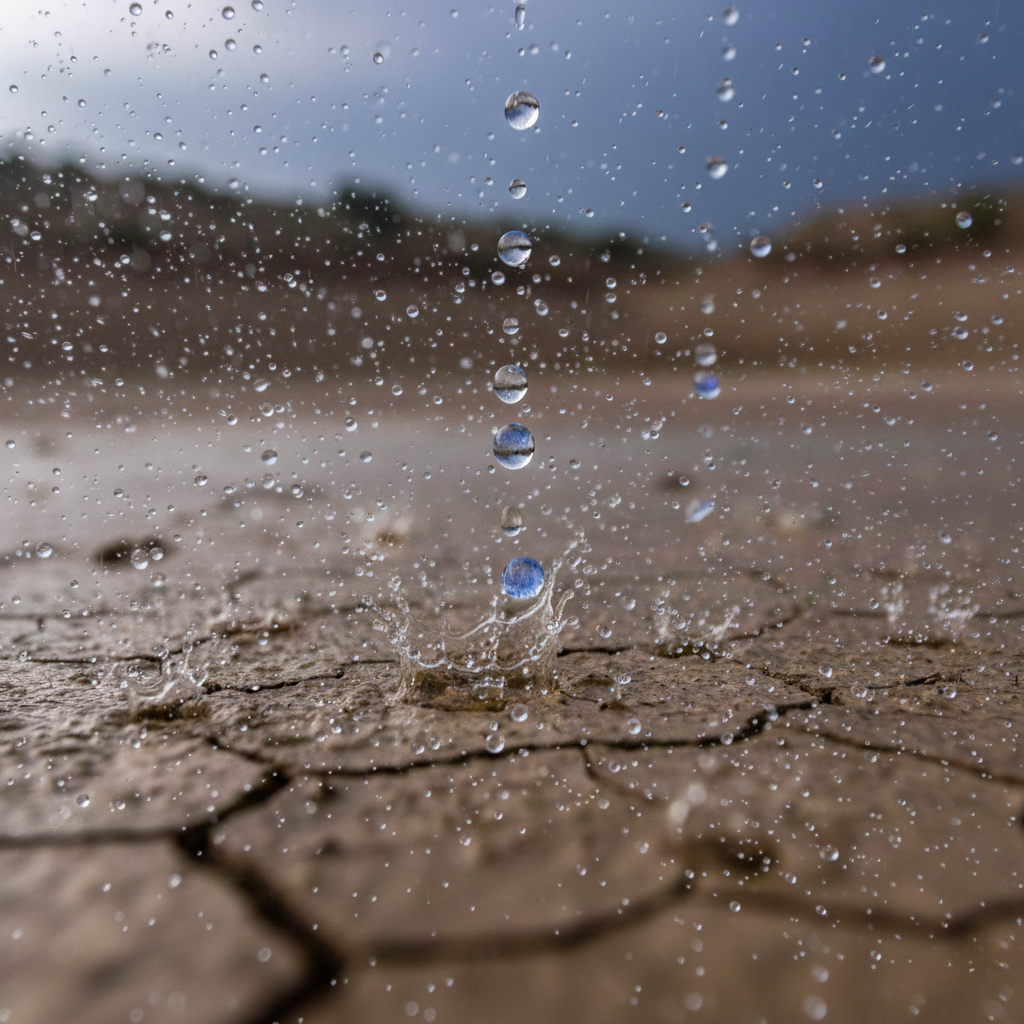

Komentarze
komentarz z
co możemy zrobić ?
komentarz z
Jesteśmy bezradni
komentarz z
Kasia Chrobry niestety
komentarz z
komentarz z
Jak odwiedzacie hotele na Krecie, czytajcie przy basenach info...zużywajcie w prysznicu tyle wody aby nie lała się kiedy sobie szamponujecie głowe...no i inne...Bo nam lokalsom w sezonie wyłaczają wodę na dzień lub dwa ...aby oszczędzić dla gości...
komentarz z
A jednocześnie tysiące litrów wody marnuje się każdego dnia wyciekając z pękających starych gumowych węży. Infrastruktura w dramatycznym stanie, brak reakcji gminy na informacje mieszkańców o przeciekach. Marnotrawstwo na wielką skalę
Wypełnij poniższy formularz aby dodać komentarz
lub kliknij w poniższy link aby skorzystać z możliwosci komentowania przez facebooka:
https://www.facebook.com/crete.poland/posts/1290187803155481