Serwis wymaga plików cookies do prawidłowego działania strony. Korzystanie z serwisu bez zmiany ustawień dla plików cookies oznacza, że będą one zapisywane w pamięci urządzenia. Ustawienia te można zmieniać w przeglądarce internetowej.
The best Polish website dedicated to the Greek island Crete and to a small extent of continental Greece. You will find useful information related to visiting Crete that goes beyond the offer of optional tours. On the website you will also find descriptions of the most interesting places that we visited by visiting this largest Greek island. The content complements the current news, photographs and recipes of Greek cuisine.
Cretan cemeteries and the posthumous relocation of the dead
2025-11-01 19:29:55
To better understand a country, you need to learn about local customs, and these are easiest to discover by peeking into kitchens and... cemeteries. While no one needs to be persuaded to look into pots, most people feel hesitant about visiting cemeteries. We understand this, as viewing tombstones isn't a typical vacation activity. Nevertheless, it's worth it, as Greek cemeteries are completely different from the vast Polish necropolises. The customs surrounding burial are also different. For those who haven't experienced them before, these customs may seem quite peculiar, even shocking.
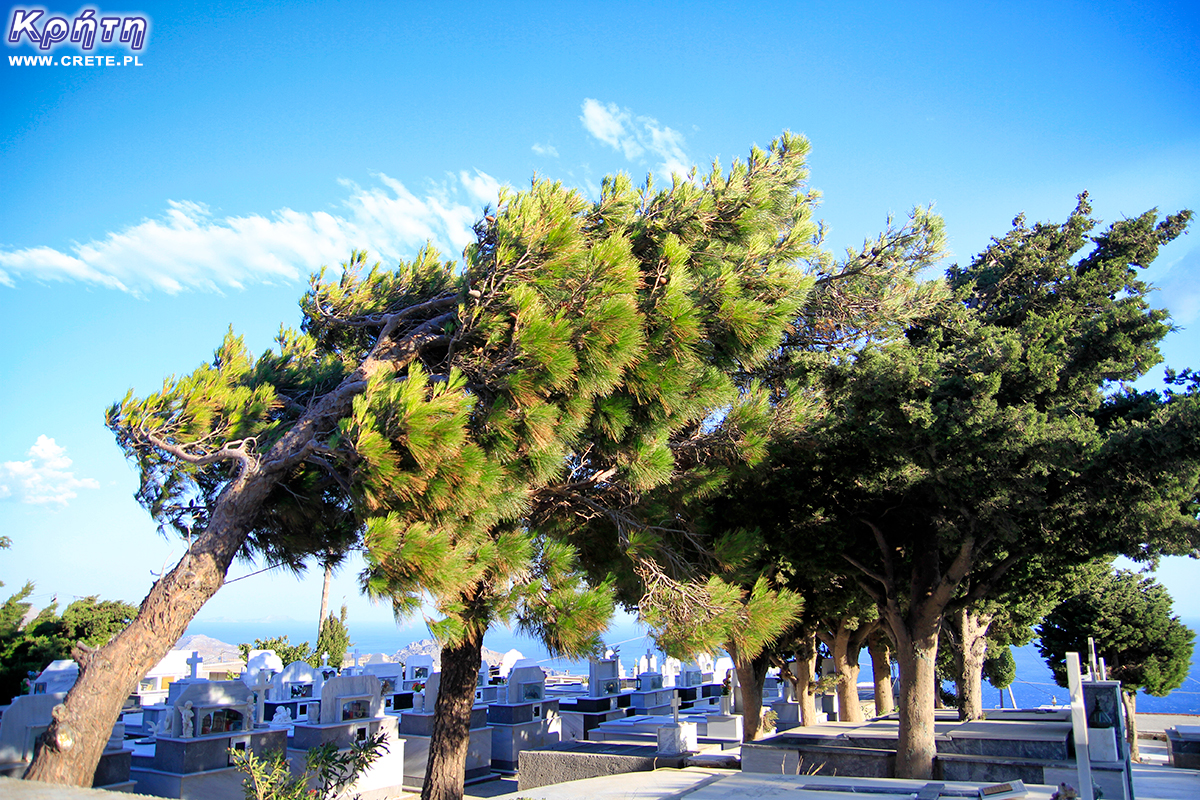
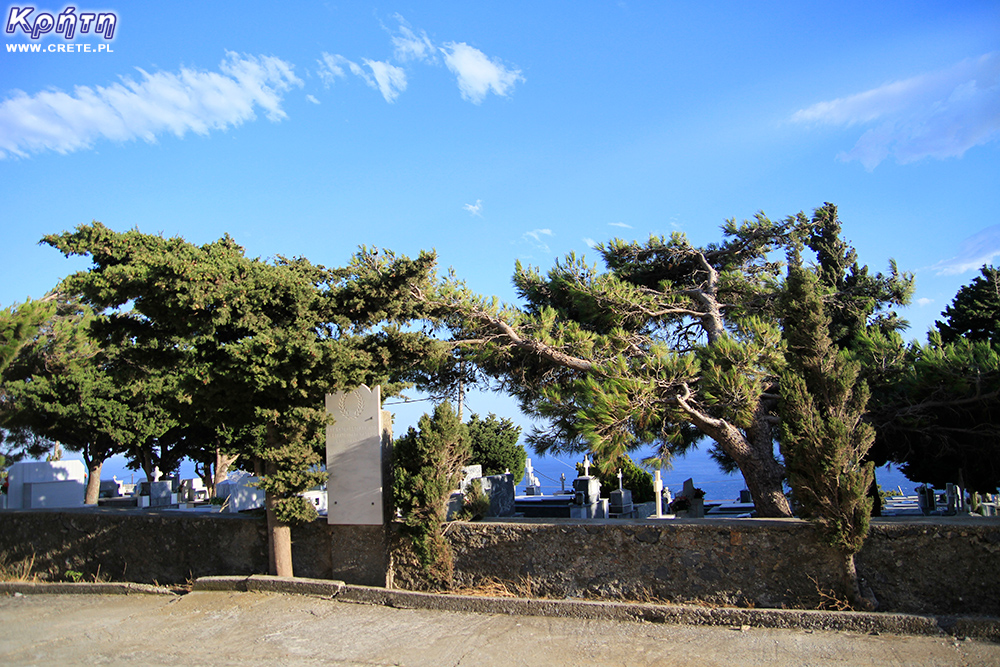
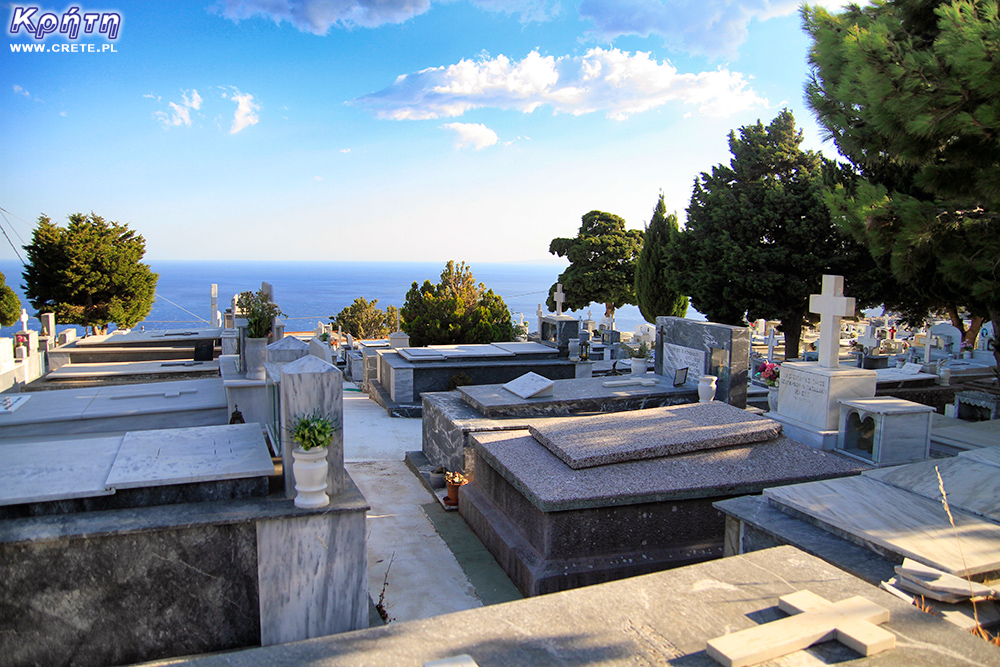
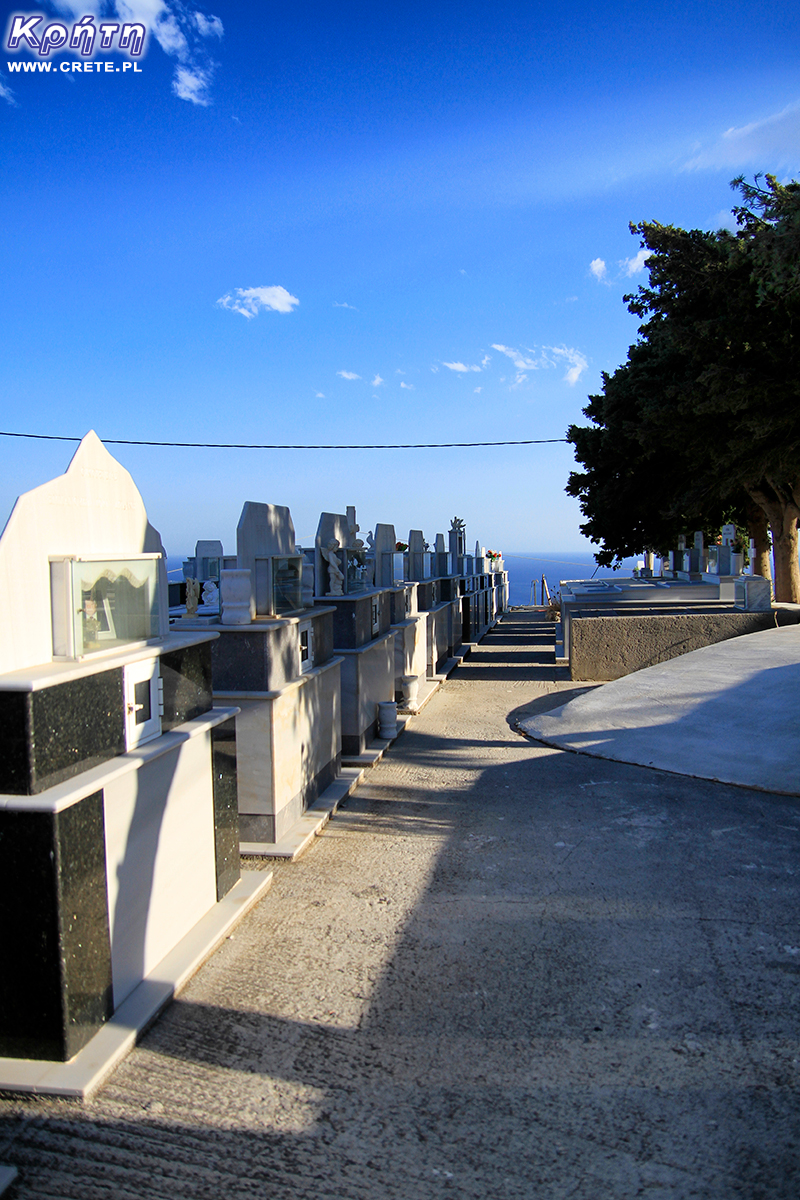
The photos in the article below are from the Cretan cemeteries in the villages of Anidri and Selia.
Selia Cemetery
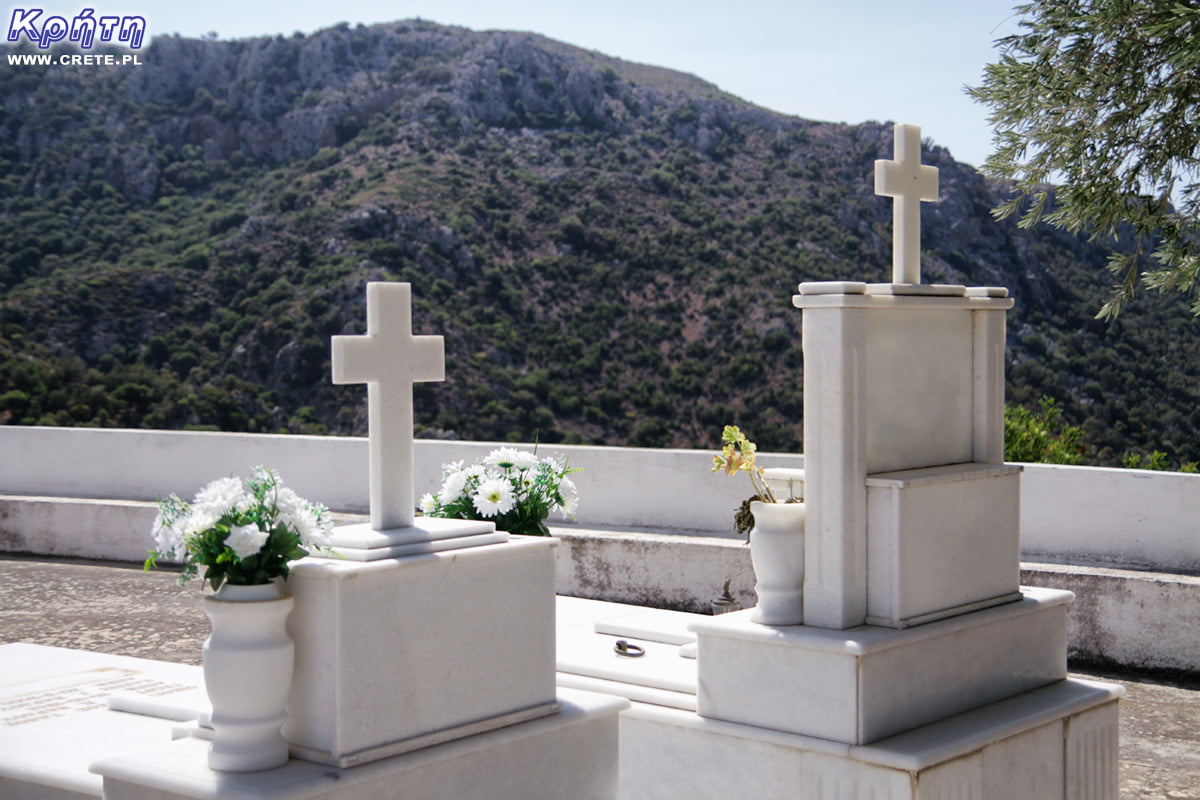
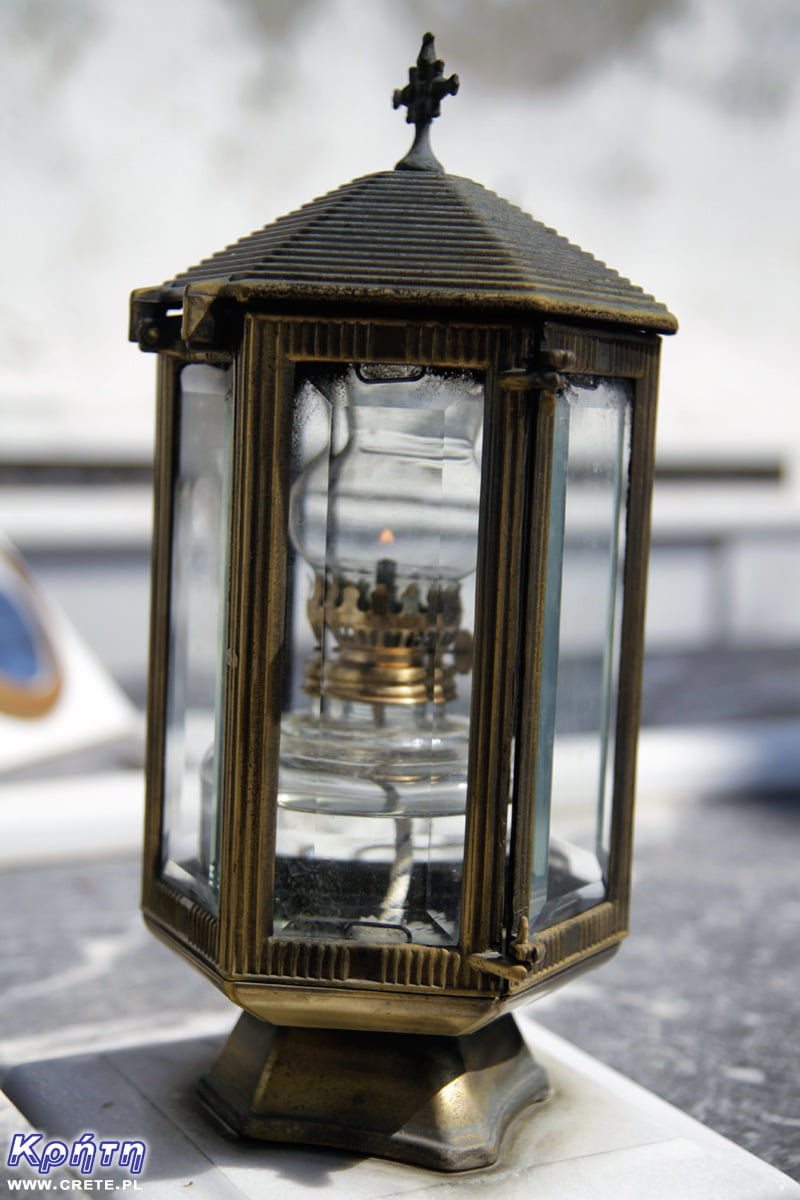
Cretan cemeteries are small, and village cemeteries can be quite small. They consist of just a dozen or so tombstones, a modest chapel, and often a beautiful view of the surrounding area. The tombstones are usually made of white marble, adorned with a daily photograph of the deceased and an oil lamp that must be kept burning. It's common for a tombstone to be decorated with a motif that reflects the deceased's occupation during life.
Selia Cemetery
Anyone who looks at a Cretan cemetery may wonder: how is it possible that it contains all the deceased inhabitants of the villages…
And here comes the explanation, along with local traditions. For those outside of Greek culture, this may seem surprising, but it's important to remember that everything is dictated by the limited space available and the specific nature of the land. Because Greece has such diverse geographic locations, these customs may also differ slightly from place to place.
Anidri
Selia
Selia
Let's start with the fact that a funeral generally takes place very quickly after death. The ceremony usually takes place the next day, and the coffin is placed in the family tomb. After burial, the deceased person remains in the grave for only a few years. It's worth noting that this "service" is usually paid for, and depending on the region, a year of the deceased's "stay" in the tomb can cost up to five hundred euros. Several years after burial, the remains are exhumed from the grave, the bones are washed by close family members, and then the remains are placed in a small box.
How long does it take before this mandatory "move"? It depends on the cemetery's location. On average, it takes 3 to 5 years, in exceptional cases after 7 years. In cities, this time is shorter, as the waiting list for a cemetery space is longer. It is possible to leave the deceased in the grave longer, but as time passes, this option becomes increasingly expensive for the family.
Anidri Cemetery
The bone boxes are labeled and often include a photo of the person whose remains lie within. Finally, the box containing the remains is usually placed in an ostofilakio, a special crypt located in the cemetery. And the empty tomb can then be filled by another deceased person.
gość dodekanezowiec Z pewnością Hiszpania ma większy problem z turystyką - vide: Majorka czy Benidorm (hotele na 50 pięter).
Z drugiej strony - włoska Kalabria się zachowuje tak jak gdyby nie chcieli turystów. Tam jest cisza i spokój, hotele na wygwizdowiu, poza Tropeą i paroma miasteczkami nudy totalne. Na Sycylii niewiele lepiej - jakie tam są miejscowości dla turystów, gdzie nie będzie się on nudził? Też na palcach ręki by policzyć. (...)
gość PiotrWie Jeździliśmy na Kretę od 2008r, bywały lata że byliśmy w kilku kawałkach w sumie czterdzieści kilka dni ( samoloty z Wrocławia latały w piątek wieczorem tak że można było polecieć po pracy, powrotem był w poniedziałek w nocy więc za 11 dni urlopu można było być 17 dni, jak się zaplanowało z jakimś świętem to można było być 2 x 17 dni i raz 10 dni) i z roku na rok było coraz więcej ludzi - nie tylko na plażach ale ... (...)
Czy wyspa jest w stanie pomieścić 15 mln turystów, zapewne tak. Pytanie moje: skąd będzie woda?! Jak już brakuje, tama na Aposelemis sucha, gdzie ścieki popłyną, gdzie będą składowane śmieci??? Smutne, że wyspa zamienia się na globalną destynację.. rozumiem, że pieniądze są ważne ale żeby dewastować naturalne tereny np.triopetra, plakias etc... przykro
Można próbować zrozumieć ludzi, którzy z tego żyją. Można też puścić ludzi na żywioł i nie zajmować się takimi głupotami, jak ofiary śmiertelne. Samaria nie jest szlakiem w 100% bezpiecznym (który szlak jest), to głęboki wąwóz, narażony na erozyjne osunięcia skał. Poza ty, to jest region aktywny sejsmicznie i dość kapryśny pogodowo.
Myślę, że tu nie ma miejsca na ustępstwa. (...)




 2025-11-01 19:29:55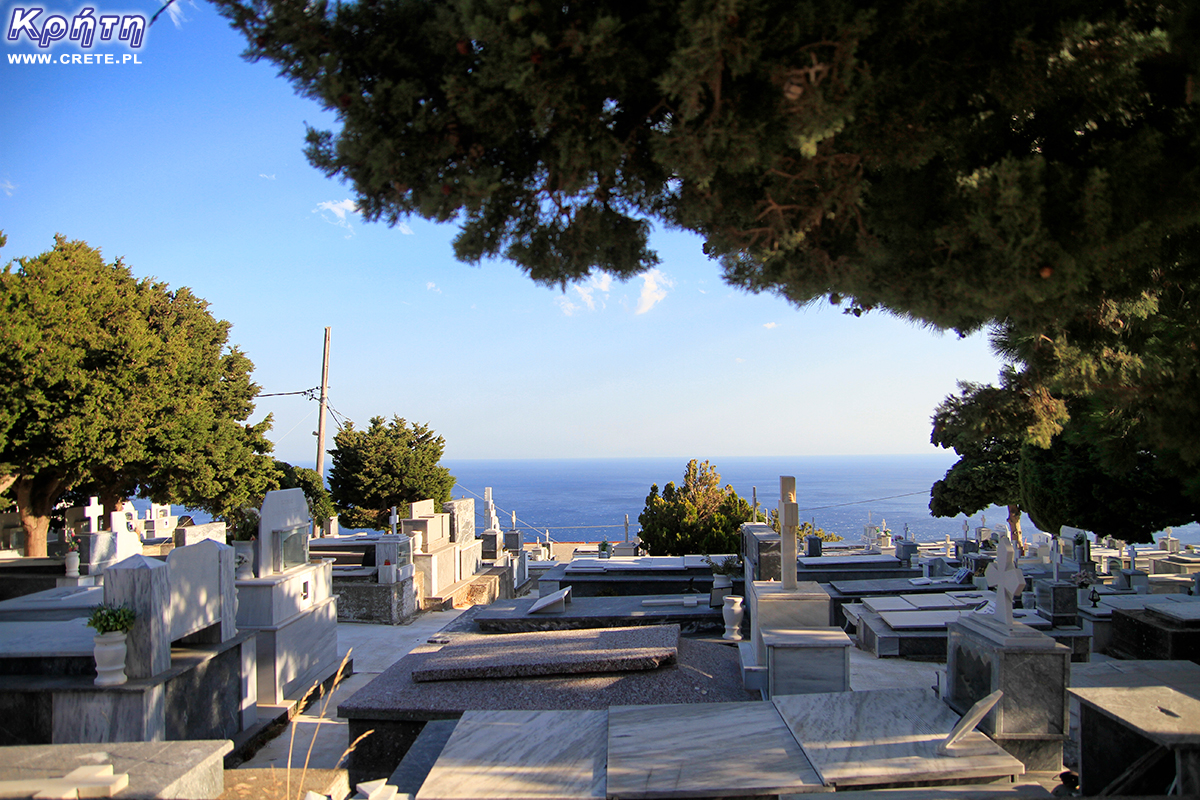
 Selia Cemetery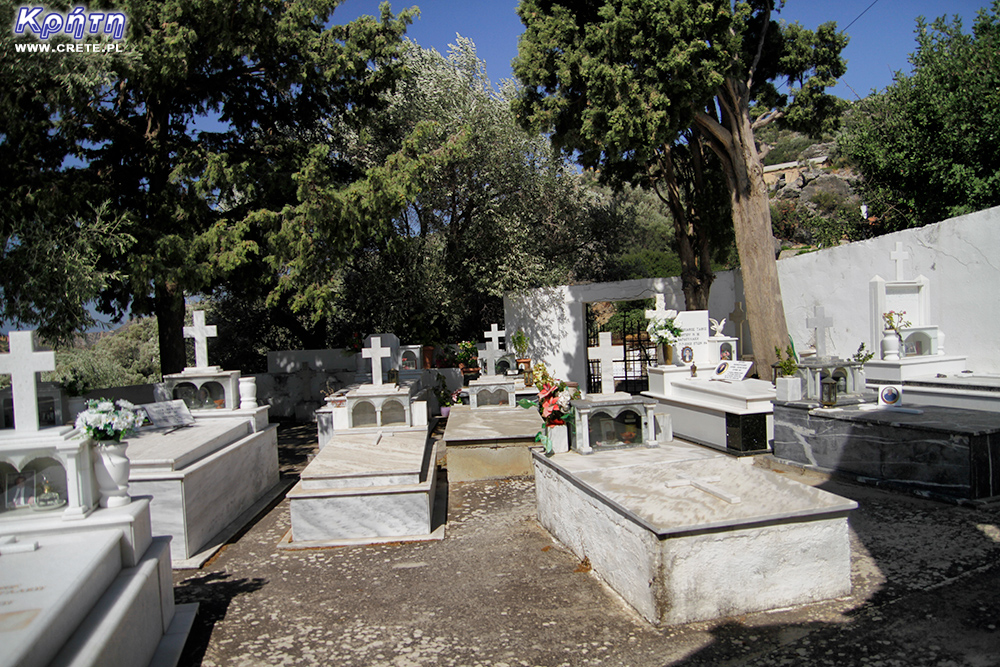
 Anidri Cemetery

Komentarze
komentarz z
Alexandros Pliatsikas det var det här vi pratade om
Wypełnij poniższy formularz aby dodać komentarz
lub kliknij w poniższy link aby skorzystać z możliwosci komentowania przez facebooka:
https://www.facebook.com/crete.poland/posts/1236945018479760