Serwis wymaga plików cookies do prawidłowego działania strony. Korzystanie z serwisu bez zmiany ustawień dla plików cookies oznacza, że będą one zapisywane w pamięci urządzenia. Ustawienia te można zmieniać w przeglądarce internetowej.
The best Polish website dedicated to the Greek island Crete and to a small extent of continental Greece. You will find useful information related to visiting Crete that goes beyond the offer of optional tours. On the website you will also find descriptions of the most interesting places that we visited by visiting this largest Greek island. The content complements the current news, photographs and recipes of Greek cuisine.
In Crete, municipalities drawing drinking water from the Aposelemi Dam have seen further supply reductions this year. This difficult situation is the result of prolonged drought, poor infrastructure performance, and the recent serious damage to the Aposelemi Dam. The new restrictions apply to almost all municipalities within the Aposelemi network, including the city of Heraklion. Besides Heraklion, Agios Nikolaos and Hersonissos also draw water from the Aposelemi Dam. The new restrictions have been met with a strong reaction from residents and local authorities.
Low water levels at the Aposelemis Dam have been a problem for many years (the photo shows the state in 2023). It is worth mentioning that in a normal situation the buildings visible on the left side should be below the water level.
Municipalities in crisis
Heraklion and Hersonissos are literally facing a crisis, as the amount of water they now receive from the Aposelemis Dam has been reduced by up to half. Furthermore, the taps were turned down at a time when both municipalities were pressing the Crete Development Authority to increase water supplies by all possible means. Increased tourism and high temperatures are driving up the demand for water.
Previously, Hersonissos received 130 cubic meters of water per hour; now, following the introduction of restrictions, the flow from the dam has been reduced to 70 cubic meters. In Heraklion, the previous flow was 300 cubic meters of water per hour; after the introduction of a 40% restriction, this dropped to 180 cubic meters.
In Heraklion, water restrictions have primarily affected the districts of Karteros, Nea Alikarnassos, Temenous, and Episkopi. Residents of these areas have been experiencing problems with access to drinking water for several weeks. These continued restrictions are causing outrage among local communities.
City officials warn that the situation could become unmanageable unless urgent action is taken at the regional and government levels.
The mayor of Hersonissos, Zacharias Doxastakis, expressed his frustration with this turn of events, emphasizing that the situation was unacceptable. "We expected the amount of water withdrawn from the dam to increase, but ultimately we reached a point where the minimum amount withdrawn decreased."
Heraklion Mayor Alexis Kalokairinos issued a firm statement, saying he expected the water supply to increase to 420-450 cubic meters as planned. "This is the fourth time in five months that water supplies from Aposelemis to the Heraklion municipality have been reduced due to problems, and we don't even know when water supplies to Heraklion, which is currently at a critical point, will be restored."
It's impossible to precisely determine when the increased water supply will be restored; the city's water supply will be secured from other sources. At the same time, residents have been appealed to use water rationally and avoid waste, especially for tasks requiring large amounts of water, such as washing yards, sidewalks, or cars. Numerous voices from residents are appearing on social media, calling for an immediate response from the authorities. In a video published by ekriti.gr, Heraklion residents express their frustration: "This isn't a luxury—it's a basic right. We can't live without water. Do we have to wait for a disaster to happen before someone hears us?"
Blackout and drought: a double blow
Technical damage to the Aposelemi Dam has further exacerbated the already dire water supply situation. Low rainfall in Crete in recent years has significantly depleted the drinking water reserves stored in Aposelemi. This spring, the first water supply restrictions were introduced. The current challenging situation, resulting in reduced water flow to the reservoir and limited distribution capacity, has forced a decision to further reduce the amount of water distributed to municipalities.
Urgent investment needed
Experts point out that the water supply problem in Crete is structural, stemming from both climate change and years of infrastructure neglect. The damage to the Aposelemi Dam has only highlighted the system's lack of resilience to crises. Proposed solutions include modernizing the dam, investing in alternative water sources, and better managing water consumption.
Water shortages force the import of vegetables and fruits
However, decreasing water supplies are not the only problem caused by the lack of sufficient reserves accumulated in retention reservoirs.
Due to water shortages, particularly in eastern Crete, especially in the Ierapetra and Tympaki regions, fruit and vegetable producers were forced to suspend summer crops. Only greenhouse cultivation remained. As a result, the resulting decline in production forced an increase in the import of vegetables and fruit from outside the island. The most frequently imported product to Ierapetra is tomatoes. Besides drought, another factor contributing to this situation is the lack of labor.
gość dodekanezowiec Z pewnością Hiszpania ma większy problem z turystyką - vide: Majorka czy Benidorm (hotele na 50 pięter).
Z drugiej strony - włoska Kalabria się zachowuje tak jak gdyby nie chcieli turystów. Tam jest cisza i spokój, hotele na wygwizdowiu, poza Tropeą i paroma miasteczkami nudy totalne. Na Sycylii niewiele lepiej - jakie tam są miejscowości dla turystów, gdzie nie będzie się on nudził? Też na palcach ręki by policzyć. (...)
gość PiotrWie Jeździliśmy na Kretę od 2008r, bywały lata że byliśmy w kilku kawałkach w sumie czterdzieści kilka dni ( samoloty z Wrocławia latały w piątek wieczorem tak że można było polecieć po pracy, powrotem był w poniedziałek w nocy więc za 11 dni urlopu można było być 17 dni, jak się zaplanowało z jakimś świętem to można było być 2 x 17 dni i raz 10 dni) i z roku na rok było coraz więcej ludzi - nie tylko na plażach ale ... (...)
Czy wyspa jest w stanie pomieścić 15 mln turystów, zapewne tak. Pytanie moje: skąd będzie woda?! Jak już brakuje, tama na Aposelemis sucha, gdzie ścieki popłyną, gdzie będą składowane śmieci??? Smutne, że wyspa zamienia się na globalną destynację.. rozumiem, że pieniądze są ważne ale żeby dewastować naturalne tereny np.triopetra, plakias etc... przykro
Można próbować zrozumieć ludzi, którzy z tego żyją. Można też puścić ludzi na żywioł i nie zajmować się takimi głupotami, jak ofiary śmiertelne. Samaria nie jest szlakiem w 100% bezpiecznym (który szlak jest), to głęboki wąwóz, narażony na erozyjne osunięcia skał. Poza ty, to jest region aktywny sejsmicznie i dość kapryśny pogodowo.
Myślę, że tu nie ma miejsca na ustępstwa. (...)



 2025-08-06 20:47:53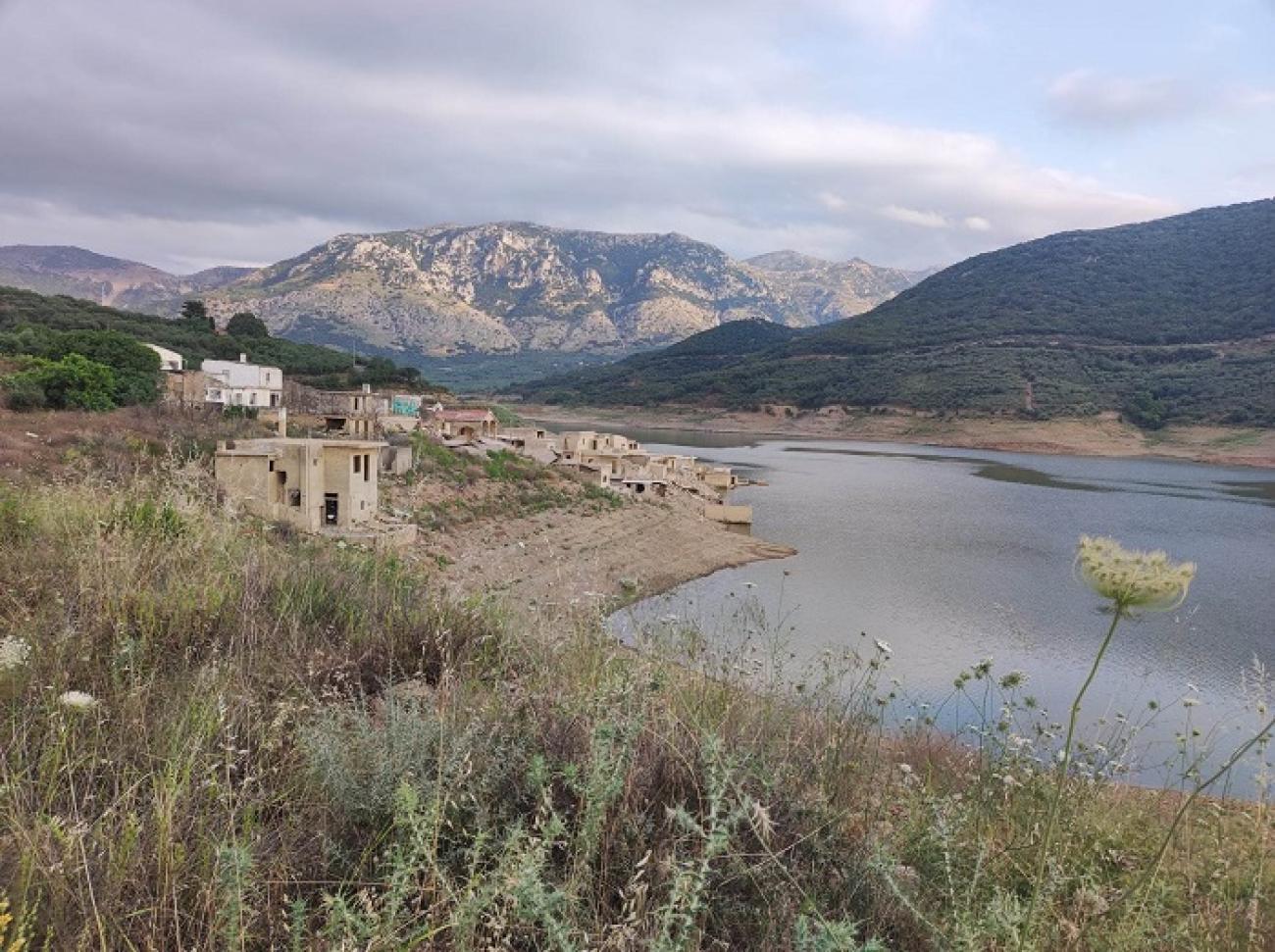

Komentarze
Wypełnij poniższy formularz aby dodać komentarz
lub kliknij w poniższy link aby skorzystać z możliwosci komentowania przez facebooka:
https://www.facebook.com/crete.poland/posts/1162351932605736