Serwis wymaga plików cookies do prawidłowego działania strony. Korzystanie z serwisu bez zmiany ustawień dla plików cookies oznacza, że będą one zapisywane w pamięci urządzenia. Ustawienia te można zmieniać w przeglądarce internetowej.
The best Polish website dedicated to the Greek island Crete and to a small extent of continental Greece. You will find useful information related to visiting Crete that goes beyond the offer of optional tours. On the website you will also find descriptions of the most interesting places that we visited by visiting this largest Greek island. The content complements the current news, photographs and recipes of Greek cuisine.
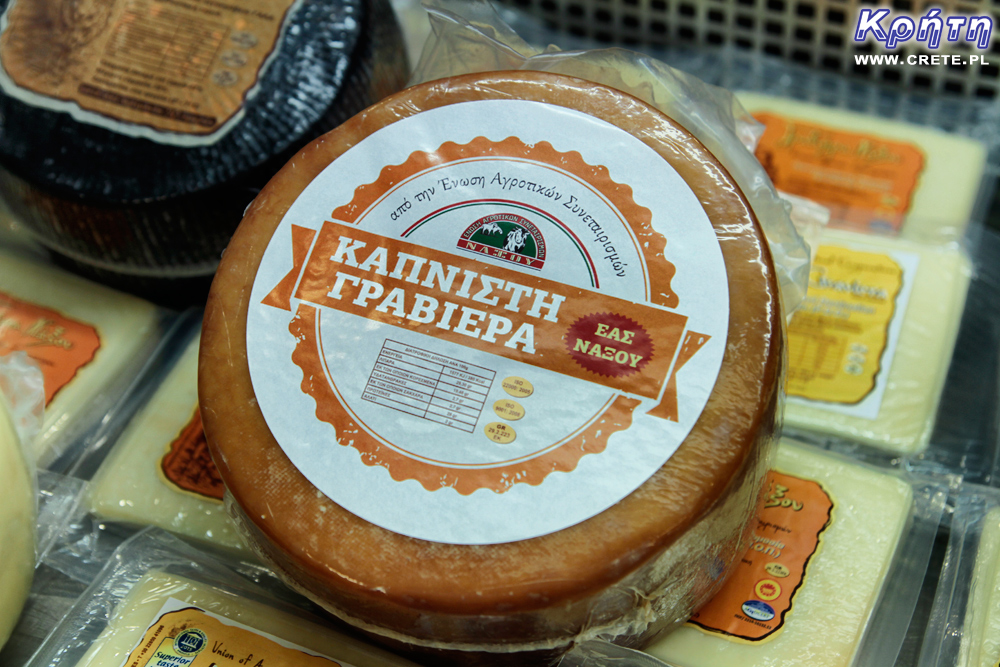
If you are a gourmet of Greek cuisine and have been to Crete, you certainly know the excellent local hard cheese that is produced there. It is worth mentioning such as the famous kefalotiri or graviera , which are distinguished by their characteristic taste compared to other cheeses. Unfortunately, their production has been steadily decreasing for many months, causing an ever-smaller depletion of the dairies involved in the production of these cheeses. The representative of these producers emphasizes that if the current market situation persists there is a high probability that the availability of some cheeses will be limited.
The answer to the question about the reasons for such a difficult situation in the dairy industry in Crete is not easy and requires looking at this problem from the perspective of various issues affecting profitability and the possibility of cheese production.
Limited availability of goat's and sheep's milk
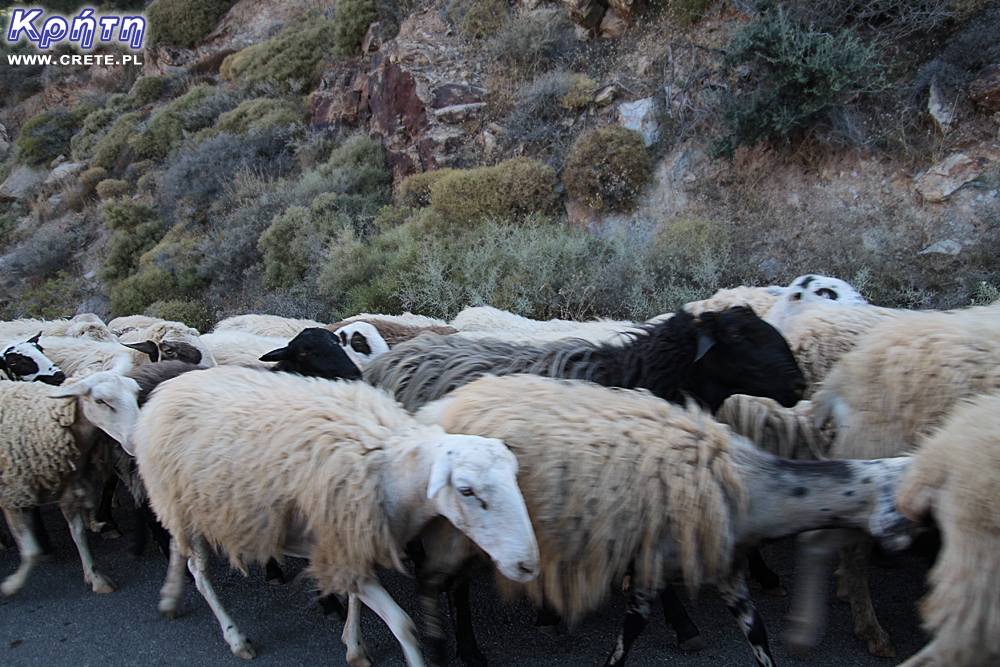
One of the important issues is last year's weather, which was shaped over the past year. Very hot spring and long dry summer meant that goat and sheep breeders provided much less milk. The total output from last year was by 30-40% lower depending on the region.
Unfortunately, this was not the only problem that affected the availability of sheep and goat milk. The other adverse factor was the low purchase price. Over the past years, the average payment farmers received for one liter of sheep's milk was around 75 cents per liter. In the case of goat milk, the buying-in price was around 55 cents. However, according to breeders' calculations, the cost of producing a liter of sheep's milk alone is around 90 cents.
Current purchase prices are far from being profitable. Some breeders, due to the lack of reimbursement of feeding costs of animals, gave up milking. Unfortunately, this resulted in an additional reduction in the availability of sheep and goat milk in Crete.
Another factor that negatively affects milk production is how breeders receive payments for the raw material they supply. Many dairies use the practice of shared payments, where only 30% of the grower's pay is cash. The remaining 70% is paid out as feed vouchers that can be redeemed at specific distributors.
Such imposition of the place of purchase of feed and other means used in animal husbandry raises great dissatisfaction of farmers. It not only limits their freedom of action, but also reduces the competitiveness of stores and wholesalers dealing in the sale of this type of material.
Low price dictate
Of course, however, it cannot be written that full of wine for the situation lies with dairies and cheese producers. Even the farmers themselves are aware that these entrepreneurs are under severe market pressure, which demands that products be delivered at ever lower prices. The average cost of producing one kilogram of hard cheese fluctuates around 7-8 €, while at the same time recipients involved in sales intermediation are ready to pay around 4-5 € per kilogram.
The dictate of low prices on the wholesale market (very often not reflected in the form of low retail prices) has a devastating effect on all subsequent key players involved in cheese production. Alekos Stefanakis, a representative of one of the associations of goat and sheep milk producers, leaves no illusions and sums up the current situation that the entire cheese industry is currently sitting on a branch that it cuts.
A collapse on the cheese production market is also inevitable due to current changes in goat and sheep farming. According to data published by the Greek Association of Animal Breeders ( Συνδέσμου Ελληνικής Κτηνοτροφίας ), about 2/3 of breeders are over 60 years old. About 33 thousand people engaged in this type of activity have 1-2 animals. In such cases, it is difficult to talk about production being used for purposes other than meeting own needs. Data published by this association also show that the population of these animals is steadily decreasing in Greece. Even 5 years ago it was estimated at 125 thousand. goats and sheep. Currently, this number has decreased to just 81 thousand. animals. Experts estimate that if the current situation does not change, over the next dozen or so years in many regions of Greece, goat and sheep farming will be completely abandoned.
gość dodekanezowiec Z pewnością Hiszpania ma większy problem z turystyką - vide: Majorka czy Benidorm (hotele na 50 pięter).
Z drugiej strony - włoska Kalabria się zachowuje tak jak gdyby nie chcieli turystów. Tam jest cisza i spokój, hotele na wygwizdowiu, poza Tropeą i paroma miasteczkami nudy totalne. Na Sycylii niewiele lepiej - jakie tam są miejscowości dla turystów, gdzie nie będzie się on nudził? Też na palcach ręki by policzyć. (...)
gość PiotrWie Jeździliśmy na Kretę od 2008r, bywały lata że byliśmy w kilku kawałkach w sumie czterdzieści kilka dni ( samoloty z Wrocławia latały w piątek wieczorem tak że można było polecieć po pracy, powrotem był w poniedziałek w nocy więc za 11 dni urlopu można było być 17 dni, jak się zaplanowało z jakimś świętem to można było być 2 x 17 dni i raz 10 dni) i z roku na rok było coraz więcej ludzi - nie tylko na plażach ale ... (...)
Czy wyspa jest w stanie pomieścić 15 mln turystów, zapewne tak. Pytanie moje: skąd będzie woda?! Jak już brakuje, tama na Aposelemis sucha, gdzie ścieki popłyną, gdzie będą składowane śmieci??? Smutne, że wyspa zamienia się na globalną destynację.. rozumiem, że pieniądze są ważne ale żeby dewastować naturalne tereny np.triopetra, plakias etc... przykro
Można próbować zrozumieć ludzi, którzy z tego żyją. Można też puścić ludzi na żywioł i nie zajmować się takimi głupotami, jak ofiary śmiertelne. Samaria nie jest szlakiem w 100% bezpiecznym (który szlak jest), to głęboki wąwóz, narażony na erozyjne osunięcia skał. Poza ty, to jest region aktywny sejsmicznie i dość kapryśny pogodowo.
Myślę, że tu nie ma miejsca na ustępstwa. (...)




 2019-08-28 19:47:49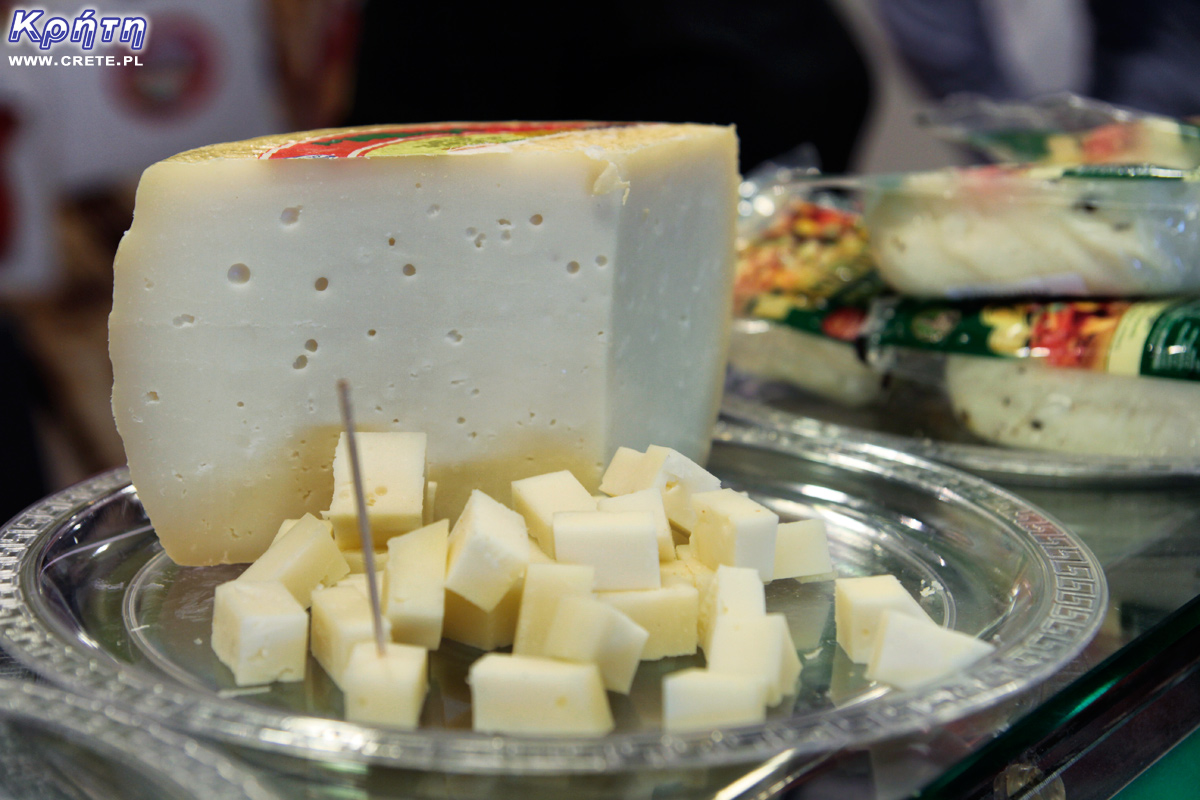

Komentarze
komentarz z
No, ale jak? Kreta bez kóz?
komentarz z
Aż ciężko uwierzyć że twardy rynek sięgnął Krety.
komentarz z
Ser, czarne oliwki, pomidory i retsina
Wypełnij poniższy formularz aby dodać komentarz
lub kliknij w poniższy link aby skorzystać z możliwosci komentowania przez facebooka:
https://www.facebook.com/crete.poland/posts/10156431498937551