Serwis wymaga plików cookies do prawidłowego działania strony. Korzystanie z serwisu bez zmiany ustawień dla plików cookies oznacza, że będą one zapisywane w pamięci urządzenia. Ustawienia te można zmieniać w przeglądarce internetowej.
The best Polish website dedicated to the Greek island Crete and to a small extent of continental Greece. You will find useful information related to visiting Crete that goes beyond the offer of optional tours. On the website you will also find descriptions of the most interesting places that we visited by visiting this largest Greek island. The content complements the current news, photographs and recipes of Greek cuisine.
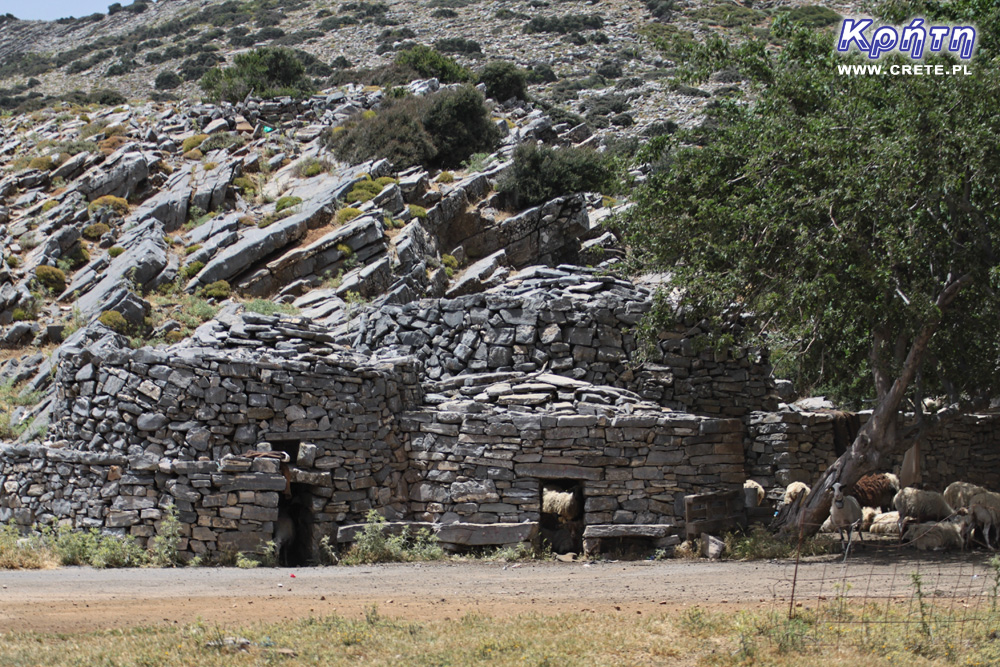
During a journey through Crete, you have certainly stumbled upon the characteristic old stone buildings that locally bear the name of the myth. A large number of them survived especially in the mountainous regions of the island, where they are often still used by shepherds. In addition to the unusual shape of the mythos, they are also distinguished by an interesting construction technique. The walls and the vault are created using the art of dry stone wall, which in Greek is called xerolithia (ξερολιθιά). At the end of November, this technique was inscribed on the UNESCO list of Intangible Cultural Heritage of Humanity.
This decision was announced at the 13th Session of the UNESCO International Committee on the Protection of Intangible Cultural Heritage, held in Port Louis, Mauritius. For the inclusion of this technique on the list of Intangible Cultural Heritage, eight countries jointly applied, where there are buildings made using this art. Outside Greece, there were countries such as Cyprus, Croatia, France, Italy, Slovenia, Spain and Switzerland in the group of these countries.
The art of building a dry stone wall is a specific technique originating from prehistoric times. Over the centuries it has undergone some changes, mainly related to the stone processing technique, but the basic principles have not undergone any major evolution. Structures created using this technique are characterized by the fact that they are made by laying stones on themselves that are not joined by any cement or clay mortar. Sometimes only dry soil is used to fill the space between stones. According to UNESCO, it is precisely this specificity of this technique that makes it a perfect example of optimizing the use of natural resources in harmony with the environment.
Finally, it is worth adding that the art of dry stone wall is used not only to build pastoral shelters, or a myth, but also to build many other utility rooms. As part of this technology, retaining walls supporting terraces, bridges, roads, stairs and other communication routes were also constructed. A good example of other buildings where you will find dry stone walls are old mountain windmills. This technology was also used to build water mills, wine and oil presses.
Ale jak ktoś by nocował w takim budynku ( my spaliśmy w kaplicy na Psiloritisie, w Mitato Livada i Katsivelli to trzeba pamiętać ze taki mur daje słaba osłonę przed wiatrem - w mitatach osłoniętych górami było OK, ale na szczycie północny wiatr dawał się we znaki.
Wypełnij poniższy formularz aby dodać komentarz
lub kliknij w poniższy link aby skorzystać z możliwosci komentowania przez facebooka: https://www.facebook.com/crete.poland/posts/10155899286287551
gość dodekanezowiec Z pewnością Hiszpania ma większy problem z turystyką - vide: Majorka czy Benidorm (hotele na 50 pięter).
Z drugiej strony - włoska Kalabria się zachowuje tak jak gdyby nie chcieli turystów. Tam jest cisza i spokój, hotele na wygwizdowiu, poza Tropeą i paroma miasteczkami nudy totalne. Na Sycylii niewiele lepiej - jakie tam są miejscowości dla turystów, gdzie nie będzie się on nudził? Też na palcach ręki by policzyć. (...)
gość PiotrWie Jeździliśmy na Kretę od 2008r, bywały lata że byliśmy w kilku kawałkach w sumie czterdzieści kilka dni ( samoloty z Wrocławia latały w piątek wieczorem tak że można było polecieć po pracy, powrotem był w poniedziałek w nocy więc za 11 dni urlopu można było być 17 dni, jak się zaplanowało z jakimś świętem to można było być 2 x 17 dni i raz 10 dni) i z roku na rok było coraz więcej ludzi - nie tylko na plażach ale ... (...)
Czy wyspa jest w stanie pomieścić 15 mln turystów, zapewne tak. Pytanie moje: skąd będzie woda?! Jak już brakuje, tama na Aposelemis sucha, gdzie ścieki popłyną, gdzie będą składowane śmieci??? Smutne, że wyspa zamienia się na globalną destynację.. rozumiem, że pieniądze są ważne ale żeby dewastować naturalne tereny np.triopetra, plakias etc... przykro
Można próbować zrozumieć ludzi, którzy z tego żyją. Można też puścić ludzi na żywioł i nie zajmować się takimi głupotami, jak ofiary śmiertelne. Samaria nie jest szlakiem w 100% bezpiecznym (który szlak jest), to głęboki wąwóz, narażony na erozyjne osunięcia skał. Poza ty, to jest region aktywny sejsmicznie i dość kapryśny pogodowo.
Myślę, że tu nie ma miejsca na ustępstwa. (...)




 2018-12-18 19:28:33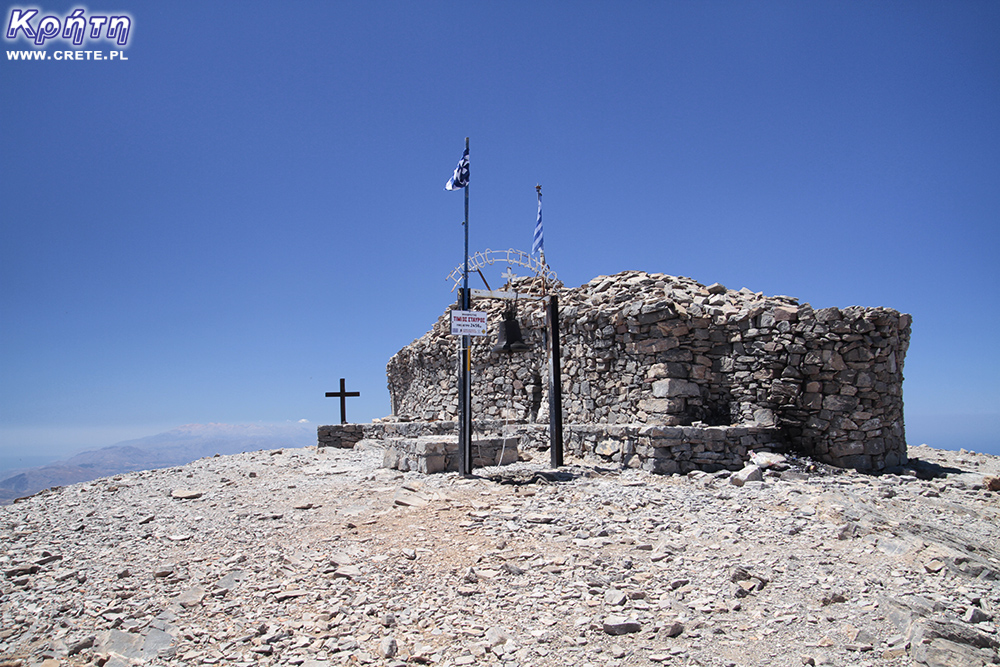

Komentarze
Ale jak ktoś by nocował w takim budynku ( my spaliśmy w kaplicy na Psiloritisie, w Mitato Livada i Katsivelli to trzeba pamiętać ze taki mur daje słaba osłonę przed wiatrem - w mitatach osłoniętych górami było OK, ale na szczycie północny wiatr dawał się we znaki.
Wypełnij poniższy formularz aby dodać komentarz
lub kliknij w poniższy link aby skorzystać z możliwosci komentowania przez facebooka:
https://www.facebook.com/crete.poland/posts/10155899286287551