Serwis wymaga plików cookies do prawidłowego działania strony. Korzystanie z serwisu bez zmiany ustawień dla plików cookies oznacza, że będą one zapisywane w pamięci urządzenia. Ustawienia te można zmieniać w przeglądarce internetowej.
The best Polish website dedicated to the Greek island Crete and to a small extent of continental Greece. You will find useful information related to visiting Crete that goes beyond the offer of optional tours. On the website you will also find descriptions of the most interesting places that we visited by visiting this largest Greek island. The content complements the current news, photographs and recipes of Greek cuisine.
Following a significant slowdown in bookings caused by the tense geopolitical situation in the Middle East, the Greek tourism sector is trying to get back on track. Although figures are slowly starting to climb again, they have not yet fully returned to the levels seen during the same period last year. The current landscape for the industry is one of a laborious recovery amid uncertainty and rising costs.
Booking dynamics: Last minute and all-inclusive
A characteristic feature of the current season is a shift in traveler decision-making. Industry experts note that travelers are avoiding planning their vacations in advance, preferring to wait for a clearer situation and make last-minute decisions. This is confirmed by the large number of last-minute bookings. At the same time, there is a noticeable increase in interest in all-inclusive packages, which, in the face of inflation and rising airfare prices, offer greater security regarding the final cost of the vacation.
Barriers to Growth: Fuel and Geopolitics
A key factor shaping this year's season is the rise in travel costs. Higher airfare prices, resulting from rising fuel prices, directly impact traveler behavior. This has significantly reduced the influx of tourists from distant destinations. At the same time, there is a growing tendency to choose closer destinations, which partially benefits Greece.
These are, of course, conclusions regarding the overall situation across Greece. At the regional level, the situation remains more diverse.
Chania : The early season has started without any major setbacks. Hoteliers in the region emphasize that booking rates are gradually improving, although concerns remain about transportation costs and the overall economic situation. Those who had planned vacations are arriving, and no cancellations have been reported, according to Manolis Stamatakis, president of the local hoteliers' association.
Santorini : The island is facing a significant decline in interest from distant Asian and Australian markets. This is another challenging season for the island, as it continues to grapple with the effects of last year's unusually intense seismic activity.
Rhodes : While bookings are recovering, they're not at last year's level. The president of the local hoteliers' association is openly calling it a "year of unforeseen circumstances," hoping to extend the season until mid-November to cover losses incurred at the beginning of the season.
Corfu : The situation here seems more balanced. Bookings are at a similar level to last year, and peak months projected occupancy is similar to last year. Local industry experts expect June, July, and September to be strong months.
Chalkidiki : May proved to be a challenging month, with demand remaining lower than a year ago. Balkan markets and, notably, the strong presence of Polish tourists provide stability. Based on bookings made so far, hotel occupancy in this region from June to September is 65–70%.
Greece in the European ranking
Despite local turbulence, Greece's tourism product retains its timeless appeal. According to data from the European Travel Commission (ETC), the country ranks fourth (tied with Portugal) among the most popular destinations for Europeans. Although it remains significantly behind Spain and Italy, Greece remains among the continent's top tourist destinations.
gość dodekanezowiec Z pewnością Hiszpania ma większy problem z turystyką - vide: Majorka czy Benidorm (hotele na 50 pięter).
Z drugiej strony - włoska Kalabria się zachowuje tak jak gdyby nie chcieli turystów. Tam jest cisza i spokój, hotele na wygwizdowiu, poza Tropeą i paroma miasteczkami nudy totalne. Na Sycylii niewiele lepiej - jakie tam są miejscowości dla turystów, gdzie nie będzie się on nudził? Też na palcach ręki by policzyć. (...)
gość PiotrWie Jeździliśmy na Kretę od 2008r, bywały lata że byliśmy w kilku kawałkach w sumie czterdzieści kilka dni ( samoloty z Wrocławia latały w piątek wieczorem tak że można było polecieć po pracy, powrotem był w poniedziałek w nocy więc za 11 dni urlopu można było być 17 dni, jak się zaplanowało z jakimś świętem to można było być 2 x 17 dni i raz 10 dni) i z roku na rok było coraz więcej ludzi - nie tylko na plażach ale ... (...)
Czy wyspa jest w stanie pomieścić 15 mln turystów, zapewne tak. Pytanie moje: skąd będzie woda?! Jak już brakuje, tama na Aposelemis sucha, gdzie ścieki popłyną, gdzie będą składowane śmieci??? Smutne, że wyspa zamienia się na globalną destynację.. rozumiem, że pieniądze są ważne ale żeby dewastować naturalne tereny np.triopetra, plakias etc... przykro
Można próbować zrozumieć ludzi, którzy z tego żyją. Można też puścić ludzi na żywioł i nie zajmować się takimi głupotami, jak ofiary śmiertelne. Samaria nie jest szlakiem w 100% bezpiecznym (który szlak jest), to głęboki wąwóz, narażony na erozyjne osunięcia skał. Poza ty, to jest region aktywny sejsmicznie i dość kapryśny pogodowo.
Myślę, że tu nie ma miejsca na ustępstwa. (...)



 2026-05-10 20:18:05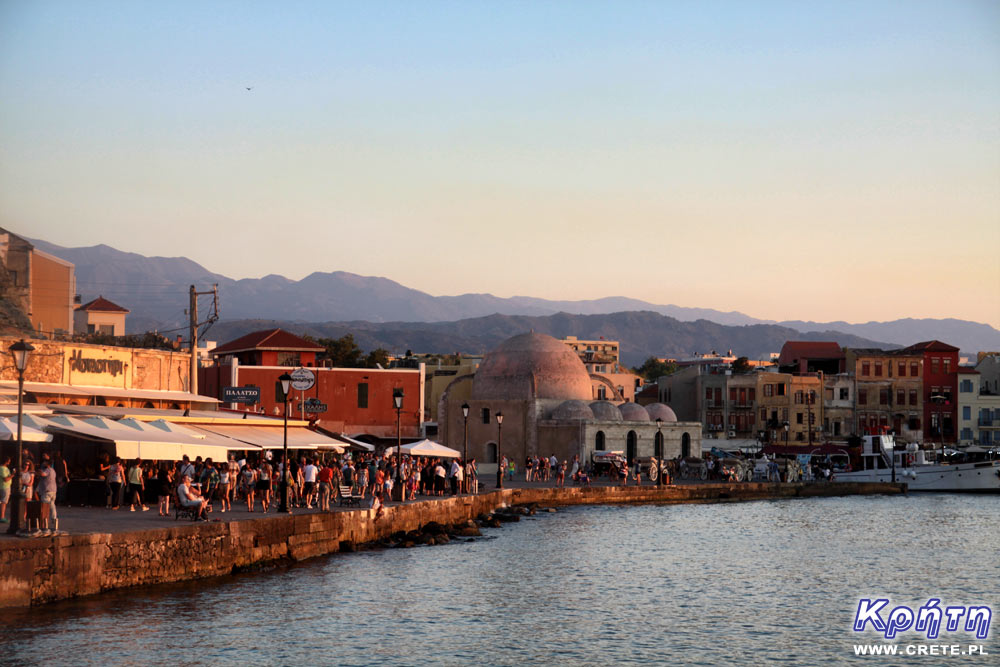

Komentarze
Wypełnij poniższy formularz aby dodać komentarz
lub kliknij w poniższy link aby skorzystać z możliwosci komentowania przez facebooka:
https://www.facebook.com/crete.poland/posts/1391954779645449