Serwis wymaga plików cookies do prawidłowego działania strony. Korzystanie z serwisu bez zmiany ustawień dla plików cookies oznacza, że będą one zapisywane w pamięci urządzenia. Ustawienia te można zmieniać w przeglądarce internetowej.
The best Polish website dedicated to the Greek island Crete and to a small extent of continental Greece. You will find useful information related to visiting Crete that goes beyond the offer of optional tours. On the website you will also find descriptions of the most interesting places that we visited by visiting this largest Greek island. The content complements the current news, photographs and recipes of Greek cuisine.
The last days of May and the beginning of June are the periods when Caretta caretta sea turtle nests appear on the beaches of Crete. This happened this year, because the first of them was located on May 23 on the beach next to Kommos in the bay of Messara. After identifying this place, volunteers of the Archelon organization marked it with a protective cage. Since then, every morning Archelon teams began regular morning patrols of beaches, where turtles have nested so far, i.e. in the area of Rethymno, Chania and the beach between Kommos and Kalamaki. Occasionally, nests also appear around the city of Sitia at the north-eastern tip of Crete. It is also worth knowing that it is in Greece Caretta caretta establish the largest number of nests in the entire Mediterranean.
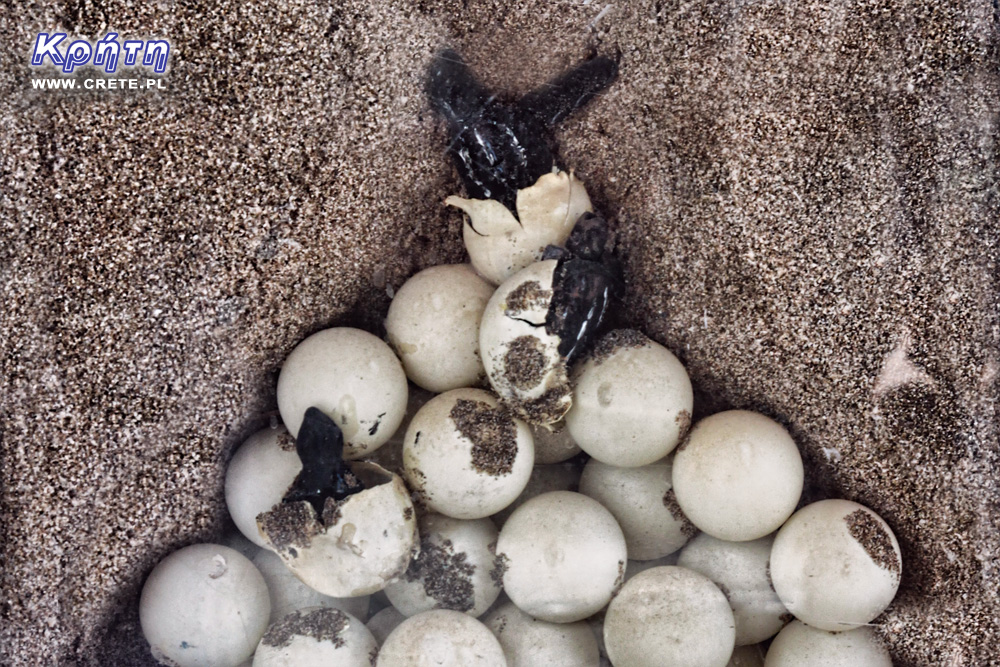
A new generation of turtles begins their journey immediately after hatching, which occurs about 80 days after the nesting. According to the estimates provided by Archelon, less than 1 in 1000 turtles will reach reproductive age. However, when this happens, Caretta caretta females return to the same beach where they themselves were born. That is why it is so important to ensure that these endangered animals have the most safe conditions for nesting.
Archelon in Crete
As we mentioned above, at the time when turtles begin to lay eggs, the coast is patrolled by volunteers from the Archelon organization, which actively supports the protection of these animals. Every day at 5 am they set off to those beaches that are known to have found their nests there so far. Volunteers check whether under the cover of night in the sand there are no new traces of the presence of turtles at night. It is thanks to their systematic work that we learn about newly established nests. On the beaches of Crete, Archelon began operating in 1990, i.e. seven years after the foundation of this organization.
Each such newly discovered nest is described in detail by volunteers and marked in a very visible way that facilitates their monitoring. In addition, tourists and residents are also warned that they should take special precautions when in their area. Unfortunately, human activities pose an additional threat to the development of turtles. The dynamic development of tourism on the Greek islands, which are the most popular breeding area, causes a systematic reduction in the number of Caretta caretta nests. Umbrellas hammered on beaches, a large number of sunbeds, artificial lights after dark, noise, driving vehicles on the beaches and rubbish left by tourists cause the slow dying of turtles. Even ordinary plastic bags floating in the sea are associated with turtles with jellyfish being their delicacy, which is a deadly danger for them. Employees of the Archelon organization remind you that with the beginning of the turtle breeding period special safe conditions should be created for them.
Recommendations during the breeding period
In fact, turtles do not pose particularly high requirements and in the breeding season it is enough to follow some of Archelon's recommendations.
One of them is not to use heavy equipment to clean beaches between May and October.
From the beginning of the breeding period, the location of beach umbrellas should not be changed, and if they need to be repaired, they must be hammered into the sand in exactly the same places. This avoids situations in which sockets are damaged that have not been recognized by Archelon.
No showers should be installed in the immediate vicinity of turtle eggs. In addition, deckchairs should not be flushed with water on the beach only outside. Excess water may cause the nest to wet and the laid eggs to rot.
Also, do not install objects on the beach that cause permanent shading.
After sunset, beach equipment such as deckchairs and tables should be folded to ensure as much space as possible for turtles.
After dark, such beaches should be free from the presence of large numbers of people, and free of excessive artificial lighting and noise emitted by speakers.
gość dodekanezowiec Z pewnością Hiszpania ma większy problem z turystyką - vide: Majorka czy Benidorm (hotele na 50 pięter).
Z drugiej strony - włoska Kalabria się zachowuje tak jak gdyby nie chcieli turystów. Tam jest cisza i spokój, hotele na wygwizdowiu, poza Tropeą i paroma miasteczkami nudy totalne. Na Sycylii niewiele lepiej - jakie tam są miejscowości dla turystów, gdzie nie będzie się on nudził? Też na palcach ręki by policzyć. (...)
gość PiotrWie Jeździliśmy na Kretę od 2008r, bywały lata że byliśmy w kilku kawałkach w sumie czterdzieści kilka dni ( samoloty z Wrocławia latały w piątek wieczorem tak że można było polecieć po pracy, powrotem był w poniedziałek w nocy więc za 11 dni urlopu można było być 17 dni, jak się zaplanowało z jakimś świętem to można było być 2 x 17 dni i raz 10 dni) i z roku na rok było coraz więcej ludzi - nie tylko na plażach ale ... (...)
Czy wyspa jest w stanie pomieścić 15 mln turystów, zapewne tak. Pytanie moje: skąd będzie woda?! Jak już brakuje, tama na Aposelemis sucha, gdzie ścieki popłyną, gdzie będą składowane śmieci??? Smutne, że wyspa zamienia się na globalną destynację.. rozumiem, że pieniądze są ważne ale żeby dewastować naturalne tereny np.triopetra, plakias etc... przykro
Można próbować zrozumieć ludzi, którzy z tego żyją. Można też puścić ludzi na żywioł i nie zajmować się takimi głupotami, jak ofiary śmiertelne. Samaria nie jest szlakiem w 100% bezpiecznym (który szlak jest), to głęboki wąwóz, narażony na erozyjne osunięcia skał. Poza ty, to jest region aktywny sejsmicznie i dość kapryśny pogodowo.
Myślę, że tu nie ma miejsca na ustępstwa. (...)




 2020-06-06 20:14:07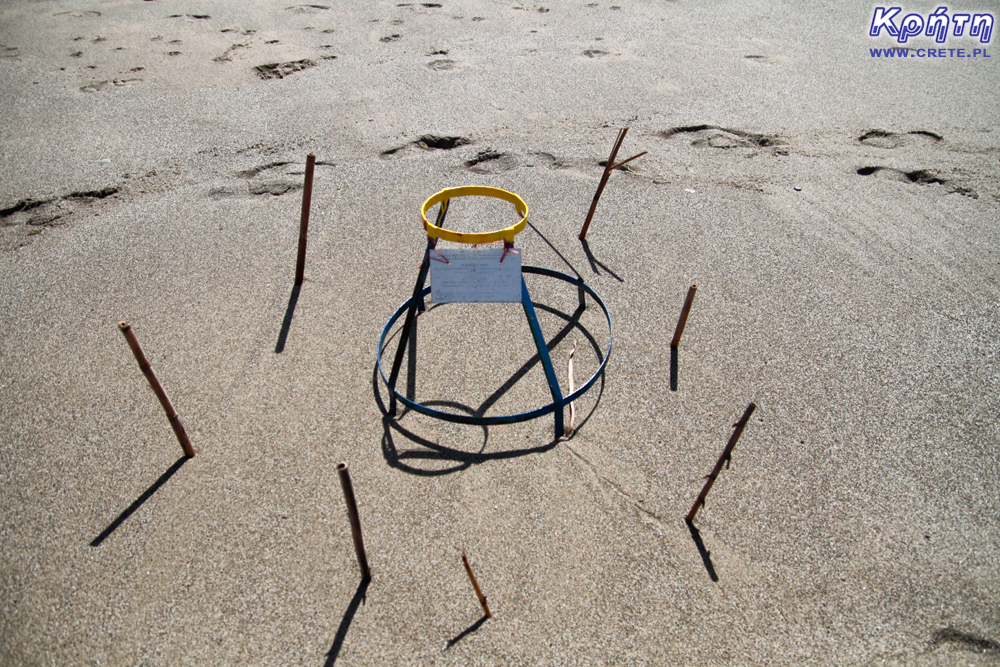

Komentarze
Wypełnij poniższy formularz aby dodać komentarz
lub kliknij w poniższy link aby skorzystać z możliwosci komentowania przez facebooka:
https://www.facebook.com/crete.poland/posts/10157183019607551