Serwis wymaga plików cookies do prawidłowego działania strony. Korzystanie z serwisu bez zmiany ustawień dla plików cookies oznacza, że będą one zapisywane w pamięci urządzenia. Ustawienia te można zmieniać w przeglądarce internetowej.
The best Polish website dedicated to the Greek island Crete and to a small extent of continental Greece. You will find useful information related to visiting Crete that goes beyond the offer of optional tours. On the website you will also find descriptions of the most interesting places that we visited by visiting this largest Greek island. The content complements the current news, photographs and recipes of Greek cuisine.
Every year, the number of available accommodations in Crete increases, and contracts are signed for the construction of new hotel complexes. The planned opening of a large airport in Kastelli in 2028 will increase the capacity to accommodate up to 15 million guests annually, further boosting the hotel business.
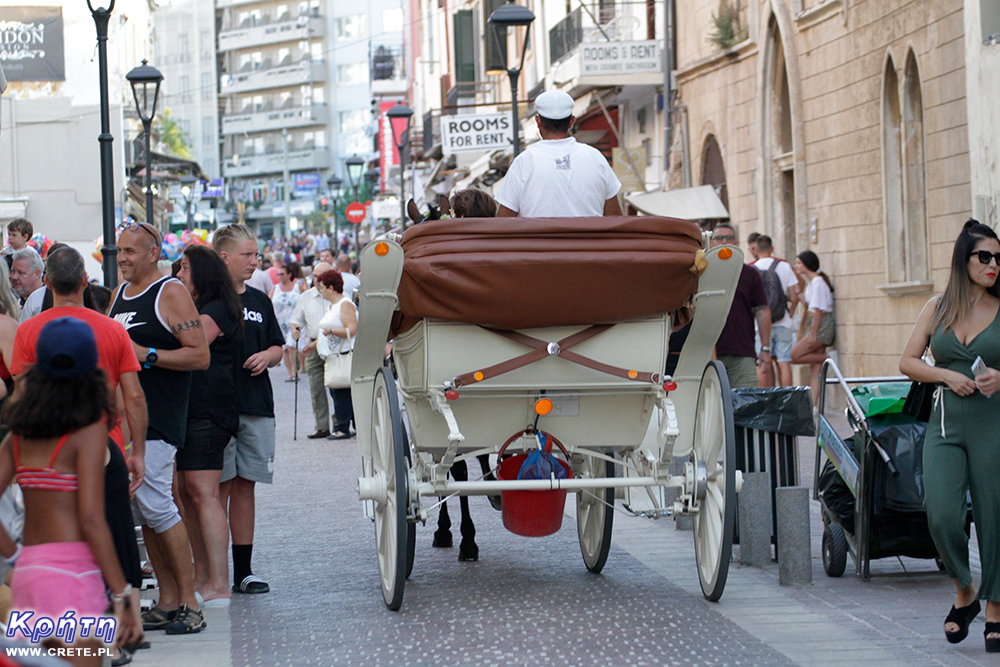
In the context of these impending changes, the debate held in Chania proved highly revealing. Its title—"How Many Tourists Can This Place Accommodate?"—is downright symbolic. While the discussion focused primarily on the challenges facing Chania, the difficulties identified extend beyond this particular destination. The experts' conclusions leave no doubt: Crete's western capital is dangerously close to its capacity limits.
Prof. Yiannis Zaimakis, a sociologist from the University of Crete, and Dr. Petros Lymberakis, a biologist from the Natural History Museum of the University of Crete, participated in the debate. They argued that the uncontrolled and continuous growth of the tourism sector is directly threatening the natural environment, the housing market, and the city's unique identity. Chania is becoming a victim of its own success and urgently needs bold political decisions.
Housing crisis and displacement of residents
Professor Zaimakis's analysis focused on the social costs of tourism. The rapid expansion of digital platforms like Airbnb and the mass adoption of short-term rentals have led to a deep crisis in the real estate market. Chania has now become one of the most expensive cities in all of Greece. Permanent residents, who for generations have formed the fabric of local neighborhoods, simply cannot afford the rents and are being systematically forced out of their homes. A similar problem affects students at local universities, for whom finding affordable accommodation is next to impossible.
Along with the indigenous population, what once defined Chania's authenticity is irrevocably disappearing: traditional neighborhood social networks, local crafts, and the unspoiled character of its historic areas. Chania has become a tourist town, where Cretans are beginning to feel alienated and, during the summer months, they surrender the area around the Venetian Harbor to the tourist deluge.
Dr. Petros Lymberakis, in turn, pointed primarily to ecological problems, but stressed that the aim of the debate was not to fight tourism as such, but its pathological and uncontrolled form.
How does overtourism affect the ecosystem around Chania?
Above all, beaches are deteriorating, even those designated as Natura 2000 sites. Water supply and spatial planning are another major challenge. Crete's current technical and municipal infrastructure was not designed to handle such a massive number of people. In summer, with rising temperatures and the influx of thousands of visitors, demand for water increases dramatically, and air conditioning overloads the already fragile power grid.
The key question is: what's next? According to the participants, the solution isn't to build more hotels, but to immediately establish the limits of development. Crete alone currently has around 400,000 registered beds. This number, as was aptly noted, cannot be increased indefinitely.
Among the necessary preventive measures, the city cited the need to implement a social housing program to protect the local community, introduce strict limits on accommodation capacity, and limit the number of rental cars. But will local and central authorities have the courage to make such unpopular decisions in business circles? Time is running out, and Chania is teetering on the brink, beyond which the charm and identity of one of Greece's most beautiful cities may become nothing more than a memory on old postcards.
Czy wyspa jest w stanie pomieścić 15 mln turystów, zapewne tak. Pytanie moje: skąd będzie woda?! Jak już brakuje, tama na Aposelemis sucha, gdzie ścieki popłyną, gdzie będą składowane śmieci??? Smutne, że wyspa zamienia się na globalną destynację.. rozumiem, że pieniądze są ważne ale żeby dewastować naturalne tereny np.triopetra, plakias etc... przykro
1
CRETE - Kreta
2026-07-10 18:22:04
komentarz z
Magda Lena Zaopatrzenie w wodę, a także w prąd - planowe wyłączanie prądu to już lokalny zwyczaj, a tak naprawdę duży problem, z którym część z turystów miała do czynienia. Na debacie zwracano też wyrastające jak grzyby po deszczu wypożyczalnie samochodów - bo to dobry biznes. Jedynym światełkiem w tunelu jest jednak Aposelemi, która na szczęście po obfitych opadach w końcu napełniła się, więc zapas wody na razie jest, choć problem pozostał. Nie wiadomo przecież czy kolejne zimy przyniosą tak potrzebne opady. My ze swojej perspektywy cieszymy się, że mogliśmy poznać wyspę, gdy nie była ona jeszcze aż tak oblegana. Ale i tak żal nam, że Kreta zmienia się bezpowrotnie na gorsze.
gość PiotrWie
2026-07-11 11:27:55
Jeździliśmy na Kretę od 2008r, bywały lata że byliśmy w kilku kawałkach w sumie czterdzieści kilka dni ( samoloty z Wrocławia latały w piątek wieczorem tak że można było polecieć po pracy, powrotem był w poniedziałek w nocy więc za 11 dni urlopu można było być 17 dni, jak się zaplanowało z jakimś świętem to można było być 2 x 17 dni i raz 10 dni) i z roku na rok było coraz więcej ludzi - nie tylko na plażach ale też w górach, początkowo spotykało się przez cały dzień 1 - 2 osoby więc warto było porozmawiać gdzie kto był i co jeszcze warto zobaczyć, tak od 2017 było już jak wszędzie - good morning i szło się dalej. Oczywiście nigdy nie byliśmy w lipcu i w sierpniu - zawsze w czerwcu lub wrześniu, więc nie wiemy jak jest w głównym sezonie. Ostatnio byliśmy w 2021 i teraz trochę boimy się jechać - bo wszędzie piszą o znacznym wzroście ilości ludzi. Myślę że jak pojedziemy to na październik i listopad - powinno być spokojniej. Patrząc na inne popularne wyspy to jeszcze jest miejsce "do oporu" - w końcu na 20 razy mniejsze Zakynthos jeździ rocznie 6 mln turystów i im się to podoba. Na szczęście są jeszcze w Grecji miejsca gdzie szczególnie poza sezonem ( od przejścia na emeryturę jeździmy od marca do początku czerwca i wrzesień - początek grudnia) jest spokojnie - nawet byliśmy 10 dni na Santorini i nie było wielkiego tłumu - ale byliśmy na przełomie marca i kwietnia - ludzi było jak na przełomie maja i czerwca na Naxos czy Paros.
gość dodekanezowiec
2026-08-10 07:31:43
A moim zdaniem gdzie indziej jest gorzej
Z pewnością Hiszpania ma większy problem z turystyką - vide: Majorka czy Benidorm (hotele na 50 pięter).
Z drugiej strony - włoska Kalabria się zachowuje tak jak gdyby nie chcieli turystów. Tam jest cisza i spokój, hotele na wygwizdowiu, poza Tropeą i paroma miasteczkami nudy totalne. Na Sycylii niewiele lepiej - jakie tam są miejscowości dla turystów, gdzie nie będzie się on nudził? Też na palcach ręki by policzyć.
Wyspy greckie zawsze dla mnie były jednak jakimś wzorem pomiędzy tymi 2 skrajnościami.
Wypełnij poniższy formularz aby dodać komentarz
lub kliknij w poniższy link aby skorzystać z możliwosci komentowania przez facebooka: https://www.facebook.com/crete.poland/posts/1445128760994717
gość dodekanezowiec Z pewnością Hiszpania ma większy problem z turystyką - vide: Majorka czy Benidorm (hotele na 50 pięter).
Z drugiej strony - włoska Kalabria się zachowuje tak jak gdyby nie chcieli turystów. Tam jest cisza i spokój, hotele na wygwizdowiu, poza Tropeą i paroma miasteczkami nudy totalne. Na Sycylii niewiele lepiej - jakie tam są miejscowości dla turystów, gdzie nie będzie się on nudził? Też na palcach ręki by policzyć. (...)
gość PiotrWie Jeździliśmy na Kretę od 2008r, bywały lata że byliśmy w kilku kawałkach w sumie czterdzieści kilka dni ( samoloty z Wrocławia latały w piątek wieczorem tak że można było polecieć po pracy, powrotem był w poniedziałek w nocy więc za 11 dni urlopu można było być 17 dni, jak się zaplanowało z jakimś świętem to można było być 2 x 17 dni i raz 10 dni) i z roku na rok było coraz więcej ludzi - nie tylko na plażach ale ... (...)
Czy wyspa jest w stanie pomieścić 15 mln turystów, zapewne tak. Pytanie moje: skąd będzie woda?! Jak już brakuje, tama na Aposelemis sucha, gdzie ścieki popłyną, gdzie będą składowane śmieci??? Smutne, że wyspa zamienia się na globalną destynację.. rozumiem, że pieniądze są ważne ale żeby dewastować naturalne tereny np.triopetra, plakias etc... przykro
Można próbować zrozumieć ludzi, którzy z tego żyją. Można też puścić ludzi na żywioł i nie zajmować się takimi głupotami, jak ofiary śmiertelne. Samaria nie jest szlakiem w 100% bezpiecznym (który szlak jest), to głęboki wąwóz, narażony na erozyjne osunięcia skał. Poza ty, to jest region aktywny sejsmicznie i dość kapryśny pogodowo.
Myślę, że tu nie ma miejsca na ustępstwa. (...)



 2026-07-09 20:10:59

Komentarze
komentarz z
Czy wyspa jest w stanie pomieścić 15 mln turystów, zapewne tak. Pytanie moje: skąd będzie woda?! Jak już brakuje, tama na Aposelemis sucha, gdzie ścieki popłyną, gdzie będą składowane śmieci??? Smutne, że wyspa zamienia się na globalną destynację.. rozumiem, że pieniądze są ważne ale żeby dewastować naturalne tereny np.triopetra, plakias etc... przykro
komentarz z
Magda Lena Zaopatrzenie w wodę, a także w prąd - planowe wyłączanie prądu to już lokalny zwyczaj, a tak naprawdę duży problem, z którym część z turystów miała do czynienia. Na debacie zwracano też wyrastające jak grzyby po deszczu wypożyczalnie samochodów - bo to dobry biznes. Jedynym światełkiem w tunelu jest jednak Aposelemi, która na szczęście po obfitych opadach w końcu napełniła się, więc zapas wody na razie jest, choć problem pozostał. Nie wiadomo przecież czy kolejne zimy przyniosą tak potrzebne opady. My ze swojej perspektywy cieszymy się, że mogliśmy poznać wyspę, gdy nie była ona jeszcze aż tak oblegana. Ale i tak żal nam, że Kreta zmienia się bezpowrotnie na gorsze.
Jeździliśmy na Kretę od 2008r, bywały lata że byliśmy w kilku kawałkach w sumie czterdzieści kilka dni ( samoloty z Wrocławia latały w piątek wieczorem tak że można było polecieć po pracy, powrotem był w poniedziałek w nocy więc za 11 dni urlopu można było być 17 dni, jak się zaplanowało z jakimś świętem to można było być 2 x 17 dni i raz 10 dni) i z roku na rok było coraz więcej ludzi - nie tylko na plażach ale też w górach, początkowo spotykało się przez cały dzień 1 - 2 osoby więc warto było porozmawiać gdzie kto był i co jeszcze warto zobaczyć, tak od 2017 było już jak wszędzie - good morning i szło się dalej. Oczywiście nigdy nie byliśmy w lipcu i w sierpniu - zawsze w czerwcu lub wrześniu, więc nie wiemy jak jest w głównym sezonie. Ostatnio byliśmy w 2021 i teraz trochę boimy się jechać - bo wszędzie piszą o znacznym wzroście ilości ludzi. Myślę że jak pojedziemy to na październik i listopad - powinno być spokojniej. Patrząc na inne popularne wyspy to jeszcze jest miejsce "do oporu" - w końcu na 20 razy mniejsze Zakynthos jeździ rocznie 6 mln turystów i im się to podoba. Na szczęście są jeszcze w Grecji miejsca gdzie szczególnie poza sezonem ( od przejścia na emeryturę jeździmy od marca do początku czerwca i wrzesień - początek grudnia) jest spokojnie - nawet byliśmy 10 dni na Santorini i nie było wielkiego tłumu - ale byliśmy na przełomie marca i kwietnia - ludzi było jak na przełomie maja i czerwca na Naxos czy Paros.
A moim zdaniem gdzie indziej jest gorzej
Z pewnością Hiszpania ma większy problem z turystyką - vide: Majorka czy Benidorm (hotele na 50 pięter).
Z drugiej strony - włoska Kalabria się zachowuje tak jak gdyby nie chcieli turystów. Tam jest cisza i spokój, hotele na wygwizdowiu, poza Tropeą i paroma miasteczkami nudy totalne. Na Sycylii niewiele lepiej - jakie tam są miejscowości dla turystów, gdzie nie będzie się on nudził? Też na palcach ręki by policzyć.
Wyspy greckie zawsze dla mnie były jednak jakimś wzorem pomiędzy tymi 2 skrajnościami.
Wypełnij poniższy formularz aby dodać komentarz
lub kliknij w poniższy link aby skorzystać z możliwosci komentowania przez facebooka:
https://www.facebook.com/crete.poland/posts/1445128760994717