Serwis wymaga plików cookies do prawidłowego działania strony. Korzystanie z serwisu bez zmiany ustawień dla plików cookies oznacza, że będą one zapisywane w pamięci urządzenia. Ustawienia te można zmieniać w przeglądarce internetowej.
The best Polish website dedicated to the Greek island Crete and to a small extent of continental Greece. You will find useful information related to visiting Crete that goes beyond the offer of optional tours. On the website you will also find descriptions of the most interesting places that we visited by visiting this largest Greek island. The content complements the current news, photographs and recipes of Greek cuisine.
An interesting phenomenon took place this morning in several regions of Crete. In Ammoudara, Stalis, Ierapetra and Nea Alikarnassos, the sea retreated about 8-10 meters, revealing underwater rocks so far hidden under the water surface. This phenomenon was observed even in distant Sitia, where the water level in the port dropped by about 40 cm. In Ammoudara, it even became a local attraction that attracted the locals for their morning walk.
Ammoudara: the sea has receded 10 meters
In recent hours, a similar recession has also taken place on the Chalkidiki Peninsula, Kavala, as well as the islands of Samothrace and Sifnos. This worried locals as they sought an explanation for the increased seismic activity that had been noted in Greece over the past several dozen hours. If you do not regularly follow reports from Greece, you probably do not know that in the last two days in the region of Thessaly, in the central part of mainland Greece, twin earthquakes with an amplitude of about 6 on the Richter scale took place.
But is the sea recession actually related to this seismic activity?
As seismologists explain, this phenomenon is not related to the recent earthquakes. However, it is related to the specific positioning of the planets in relation to the Earth and the approaching spring equinox, which this year falls on March 20, which simply caused the low tide. Although this phenomenon is observed every year, now it is simply extremely intense.
Ammoudar. Source of the photo flashnews.grNea Alikarnassos. Source: www.ekriti.gr
gość dodekanezowiec Z pewnością Hiszpania ma większy problem z turystyką - vide: Majorka czy Benidorm (hotele na 50 pięter).
Z drugiej strony - włoska Kalabria się zachowuje tak jak gdyby nie chcieli turystów. Tam jest cisza i spokój, hotele na wygwizdowiu, poza Tropeą i paroma miasteczkami nudy totalne. Na Sycylii niewiele lepiej - jakie tam są miejscowości dla turystów, gdzie nie będzie się on nudził? Też na palcach ręki by policzyć. (...)
gość PiotrWie Jeździliśmy na Kretę od 2008r, bywały lata że byliśmy w kilku kawałkach w sumie czterdzieści kilka dni ( samoloty z Wrocławia latały w piątek wieczorem tak że można było polecieć po pracy, powrotem był w poniedziałek w nocy więc za 11 dni urlopu można było być 17 dni, jak się zaplanowało z jakimś świętem to można było być 2 x 17 dni i raz 10 dni) i z roku na rok było coraz więcej ludzi - nie tylko na plażach ale ... (...)
Czy wyspa jest w stanie pomieścić 15 mln turystów, zapewne tak. Pytanie moje: skąd będzie woda?! Jak już brakuje, tama na Aposelemis sucha, gdzie ścieki popłyną, gdzie będą składowane śmieci??? Smutne, że wyspa zamienia się na globalną destynację.. rozumiem, że pieniądze są ważne ale żeby dewastować naturalne tereny np.triopetra, plakias etc... przykro
Można próbować zrozumieć ludzi, którzy z tego żyją. Można też puścić ludzi na żywioł i nie zajmować się takimi głupotami, jak ofiary śmiertelne. Samaria nie jest szlakiem w 100% bezpiecznym (który szlak jest), to głęboki wąwóz, narażony na erozyjne osunięcia skał. Poza ty, to jest region aktywny sejsmicznie i dość kapryśny pogodowo.
Myślę, że tu nie ma miejsca na ustępstwa. (...)




 2021-03-05 19:50:35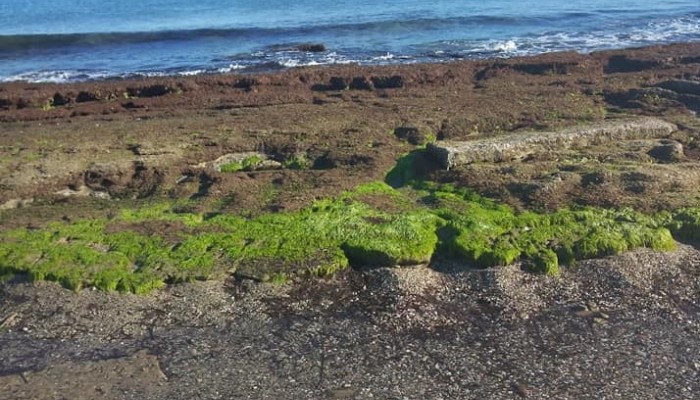
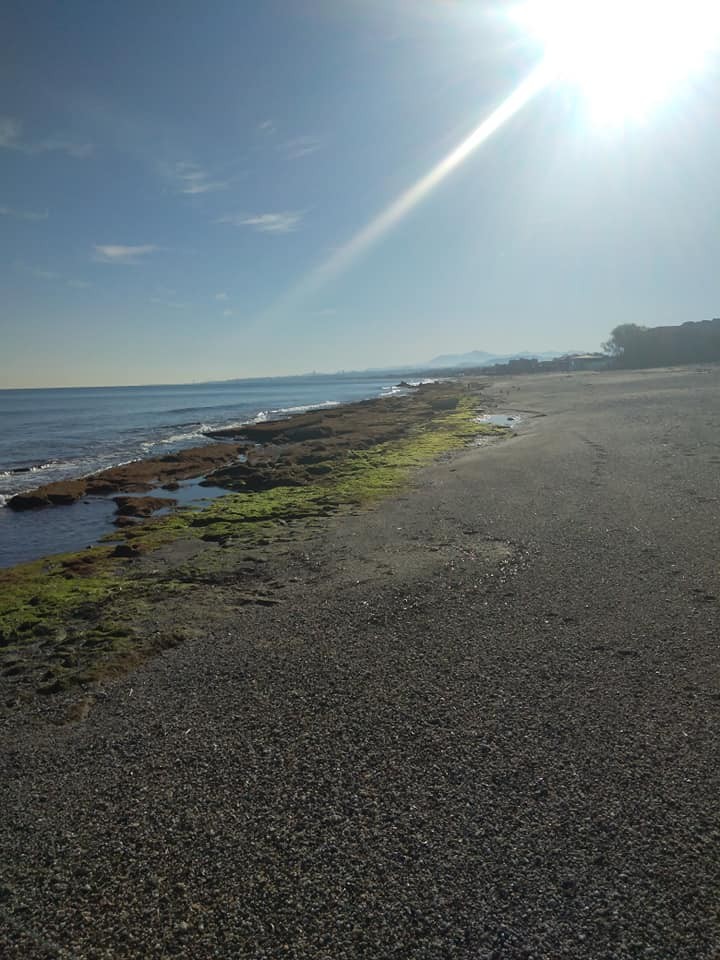 Ammoudar. Source of the photo flashnews.gr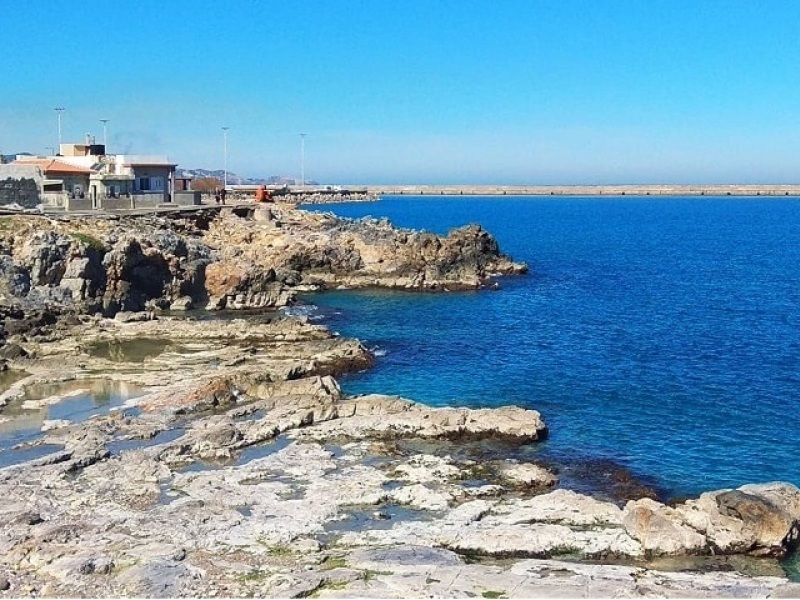
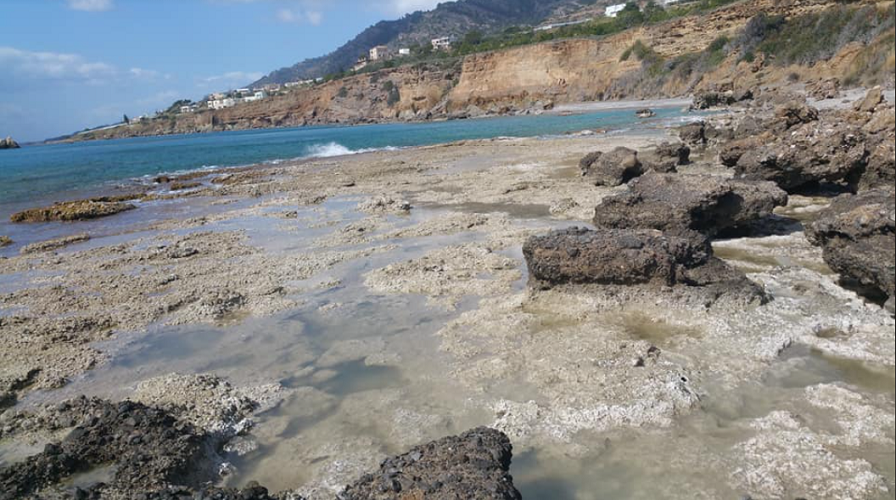 Ierapetra area. Source: www.ekriti.gr
Komentarze
Wypełnij poniższy formularz aby dodać komentarz
lub kliknij w poniższy link aby skorzystać z możliwosci komentowania przez facebooka:
https://www.facebook.com/crete.poland/posts/10157791105107551